 Spiritual
(An adaptation of Bhaktivinoda Ṭhākura’s Durlabha mānava-janma)
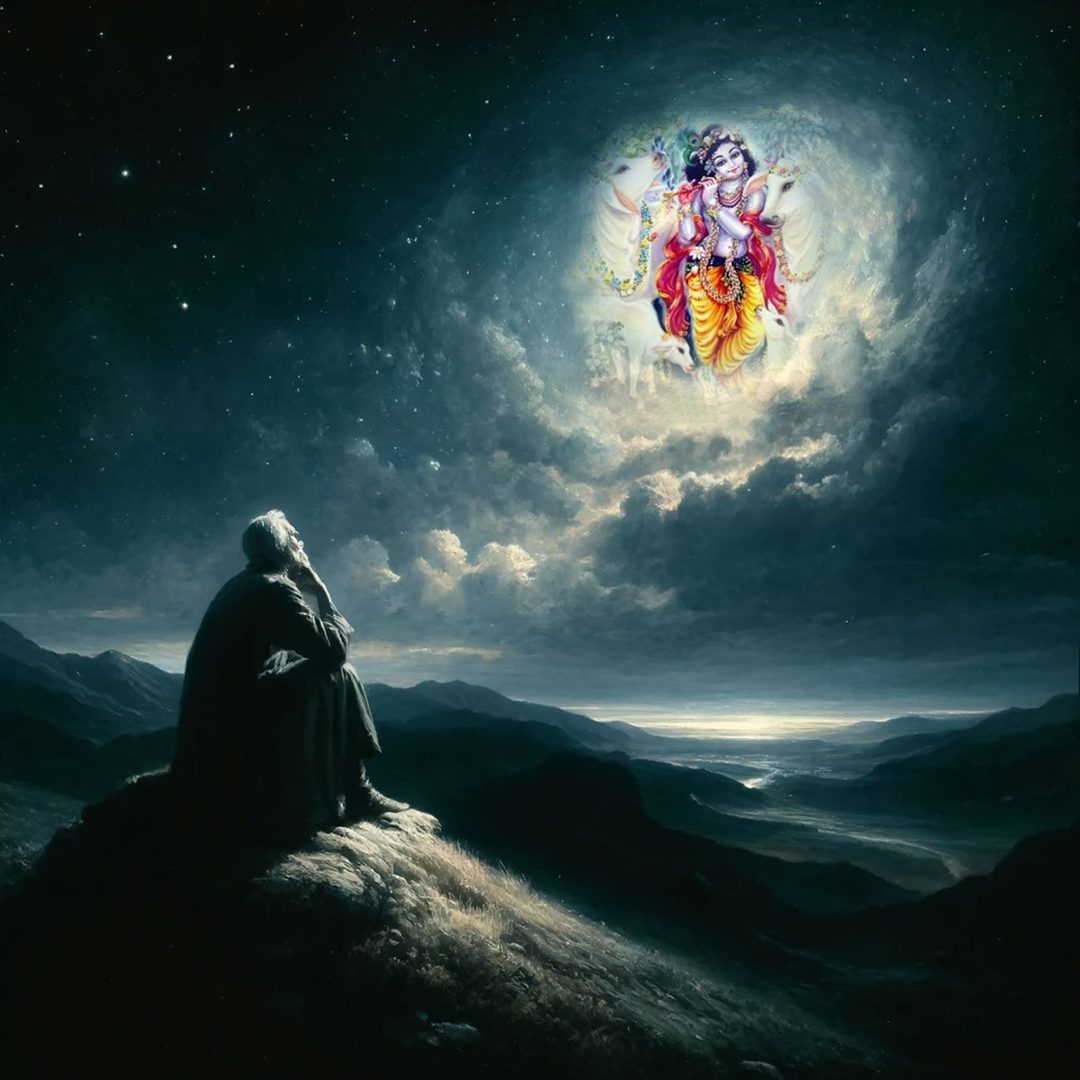
1a
In this human life so rare
my soul is gripped by agony.
I never worshiped Krishna,
losing a great opportunity.
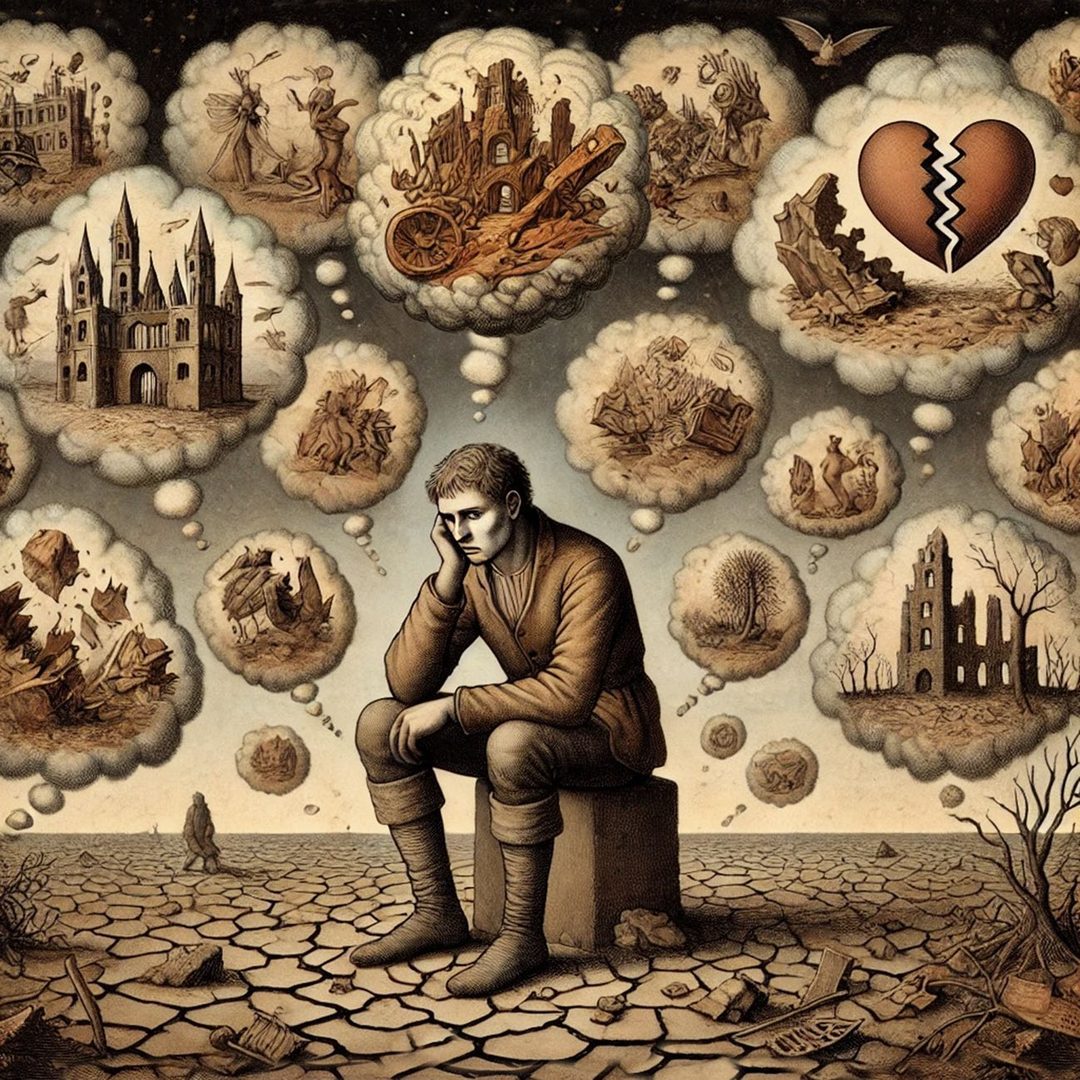
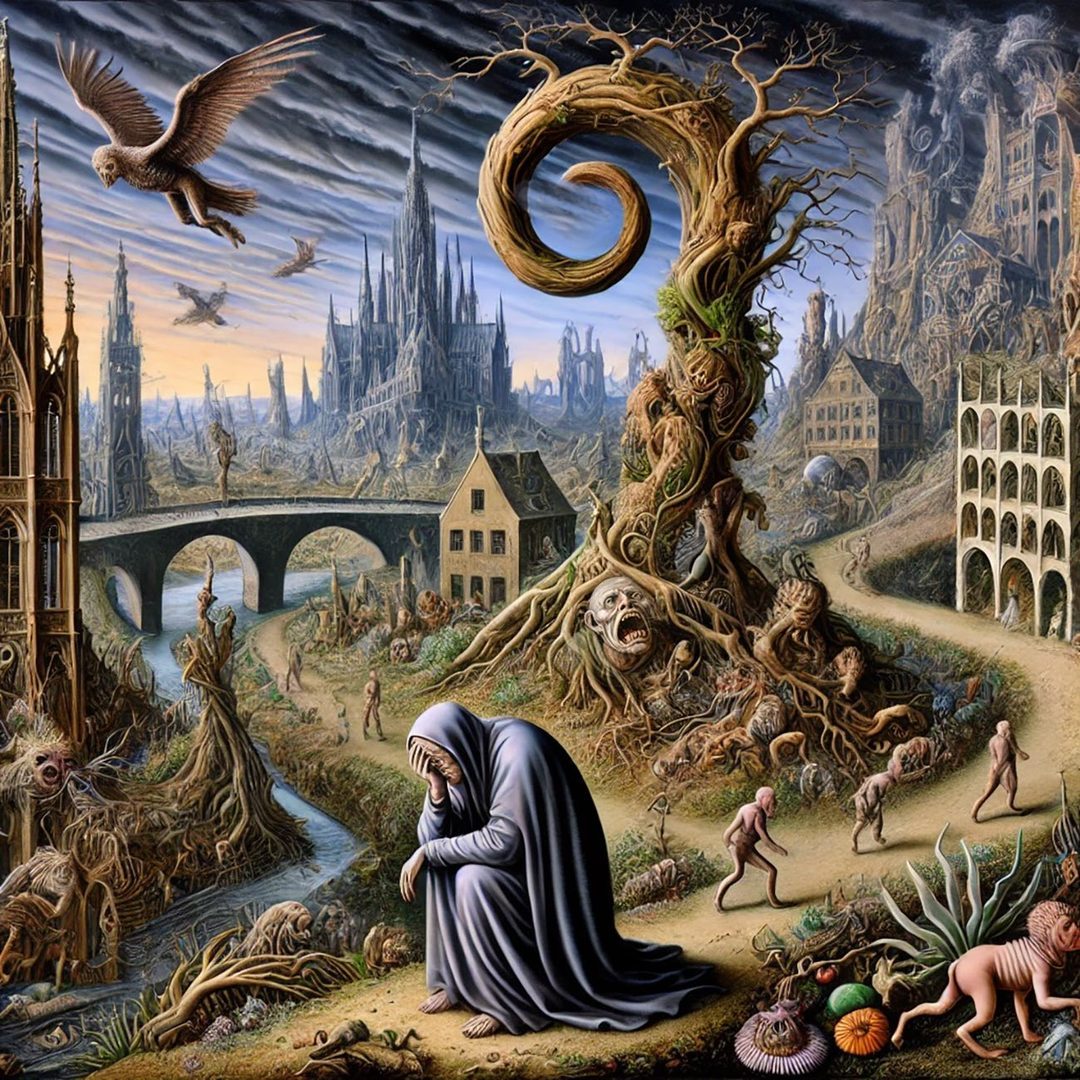
1b
Missed the chance for perfection,
to whom shall I tell my misery?
Now I am lost in dejection,
who will listen to my story?
A sad, sad story!
No gain, no glory!
To whom shall I tell my misery?
Who will soothe my agony?
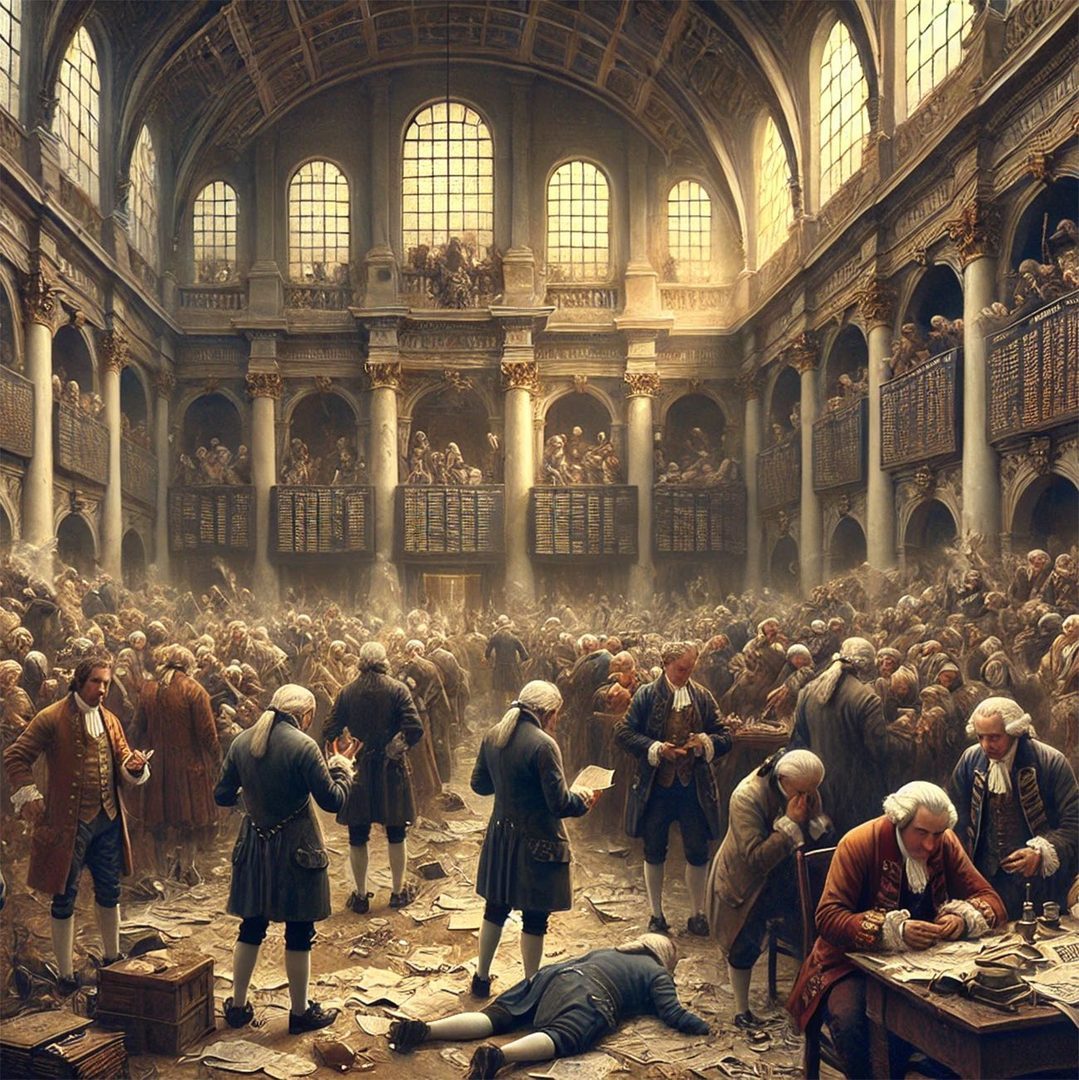
In worldly affairs I am trapped and bound,
in vain pursuits little joy is found.
No tangible gain, no benefit in sight,
only endless trouble, day and night.
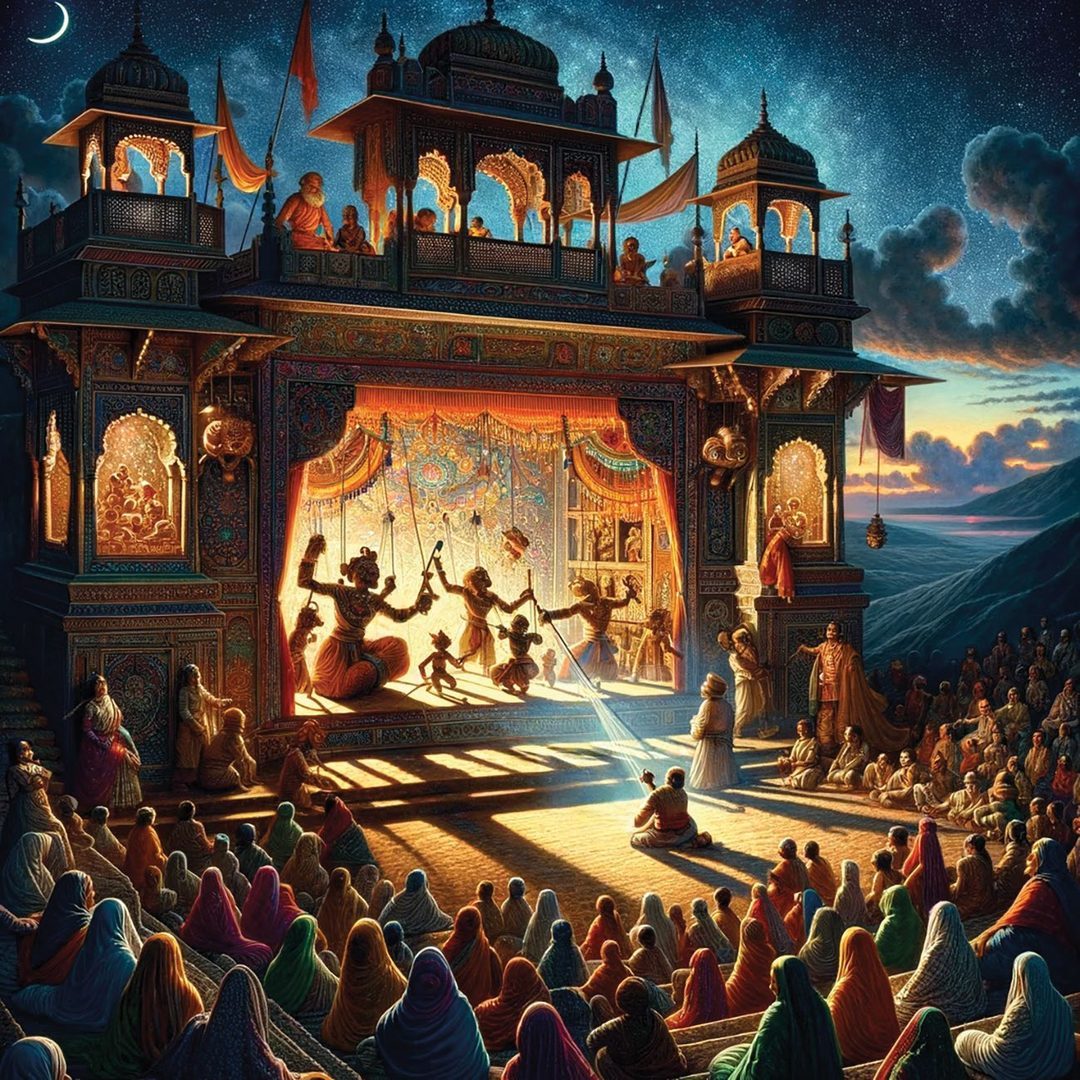
This world is a carnival of shadows bright, dancing illusions that dazzle my sight. Attached to this world, days slip away in vain, I feel lost in this magic lantern's domain.
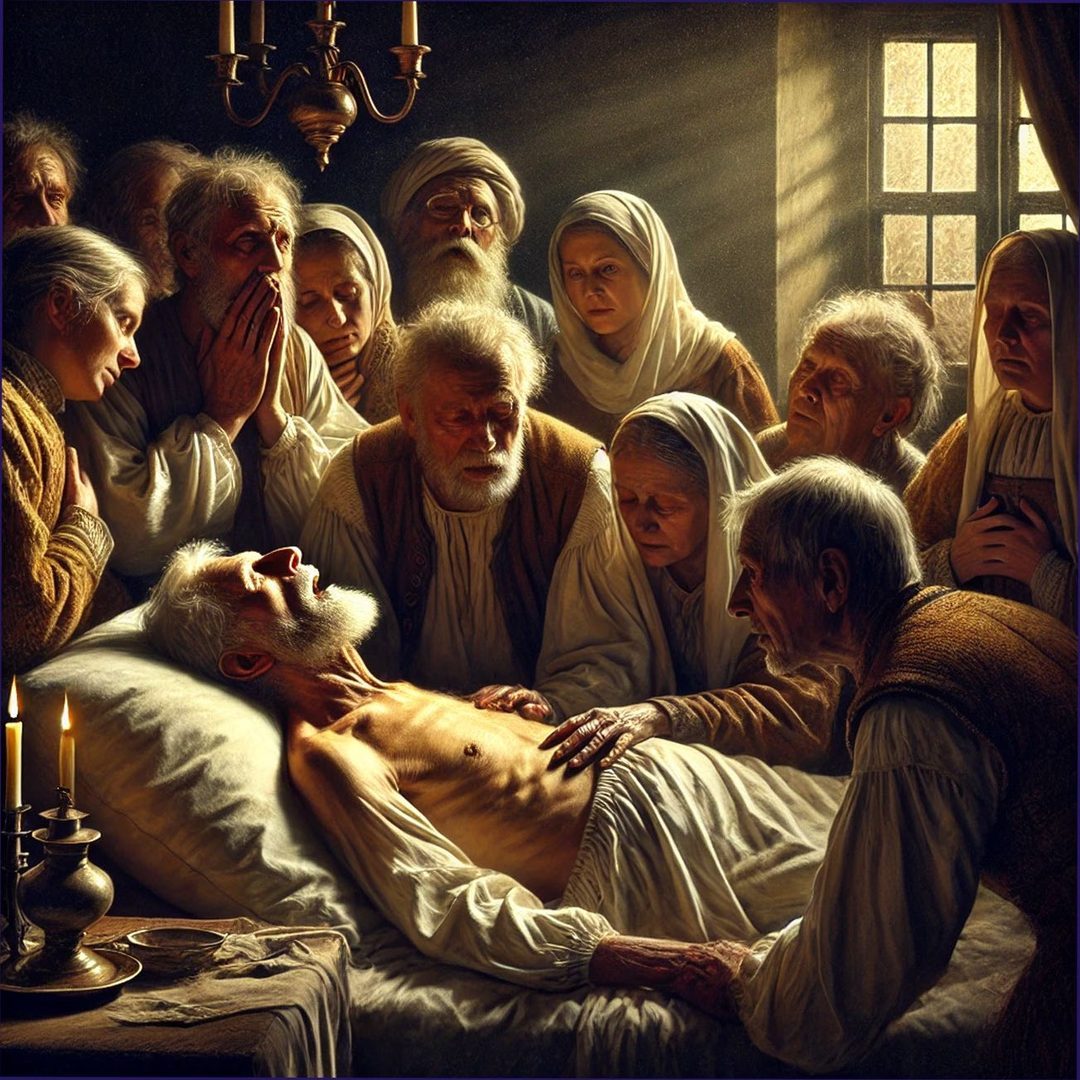
When the end is near and the body fails, what remains mine when everthing pales? Loved ones and friends stand helplessly by, they cannot console my departing sigh.
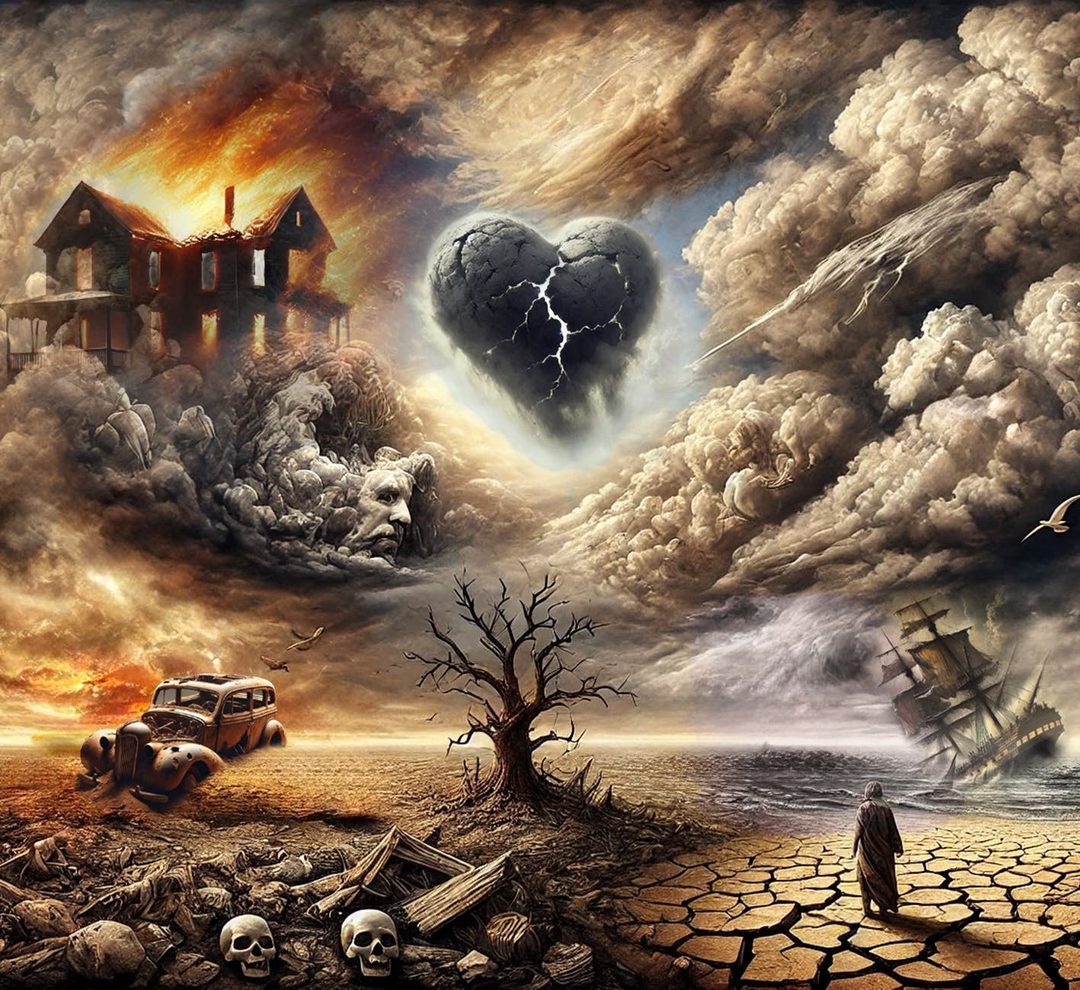
A sad, sad story!
No gain, no glory!
To whom shall I tell my misery?
Who will soothe my agony?
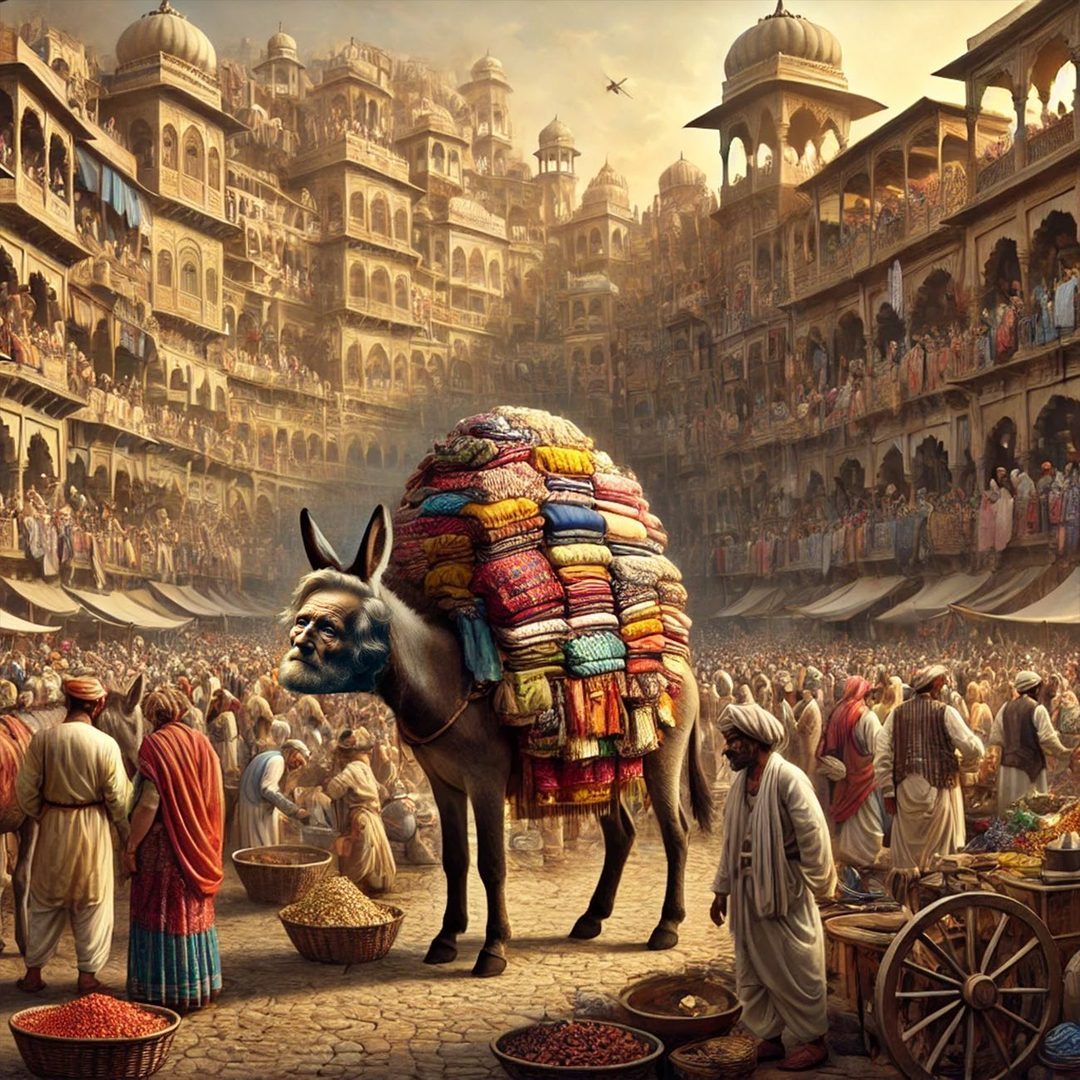
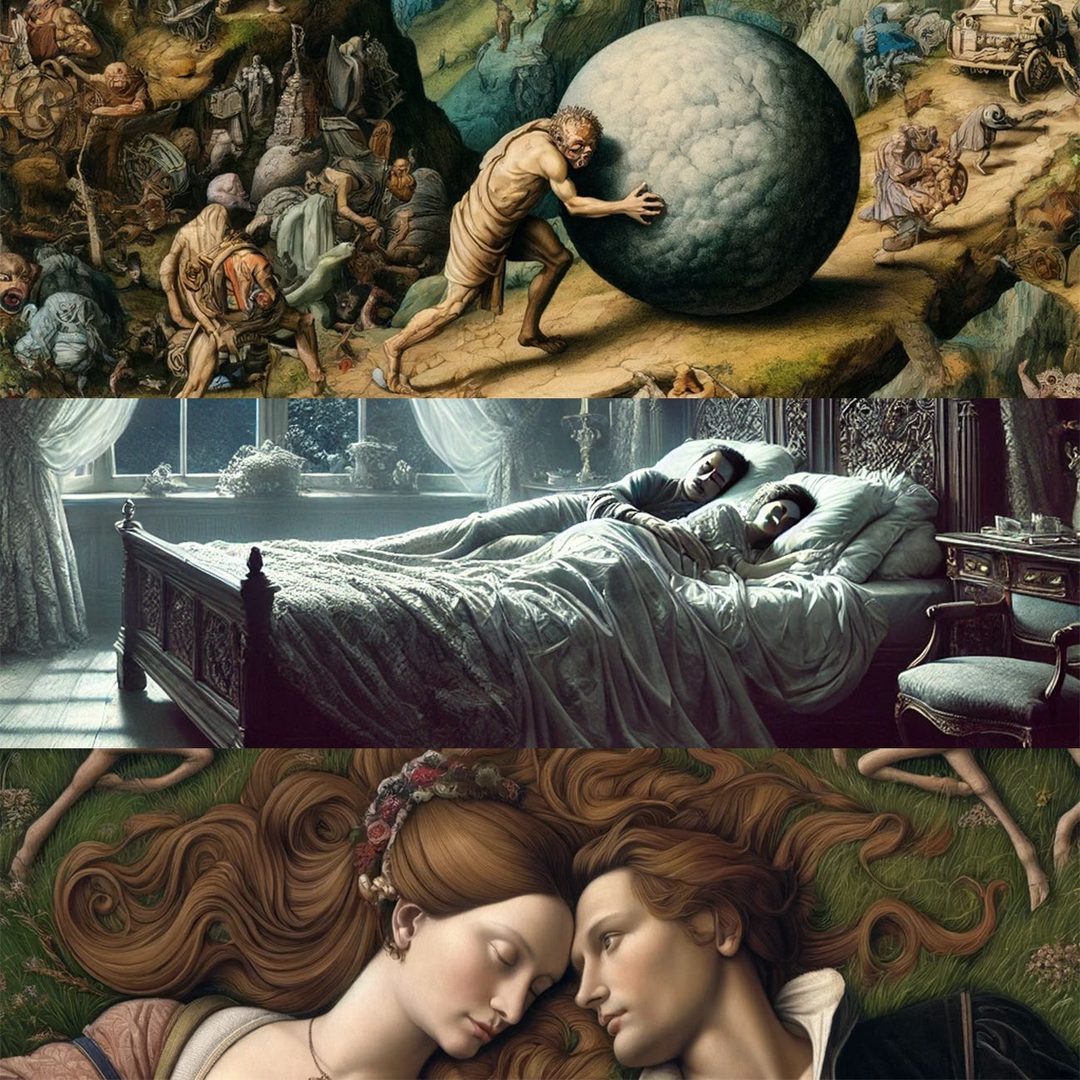
Like an ass, I labor, day by day.
For whom do I toil? I can’t really say.
Illusion surrounds me, a maze with no end.
For what do my efforts I expend?
6a
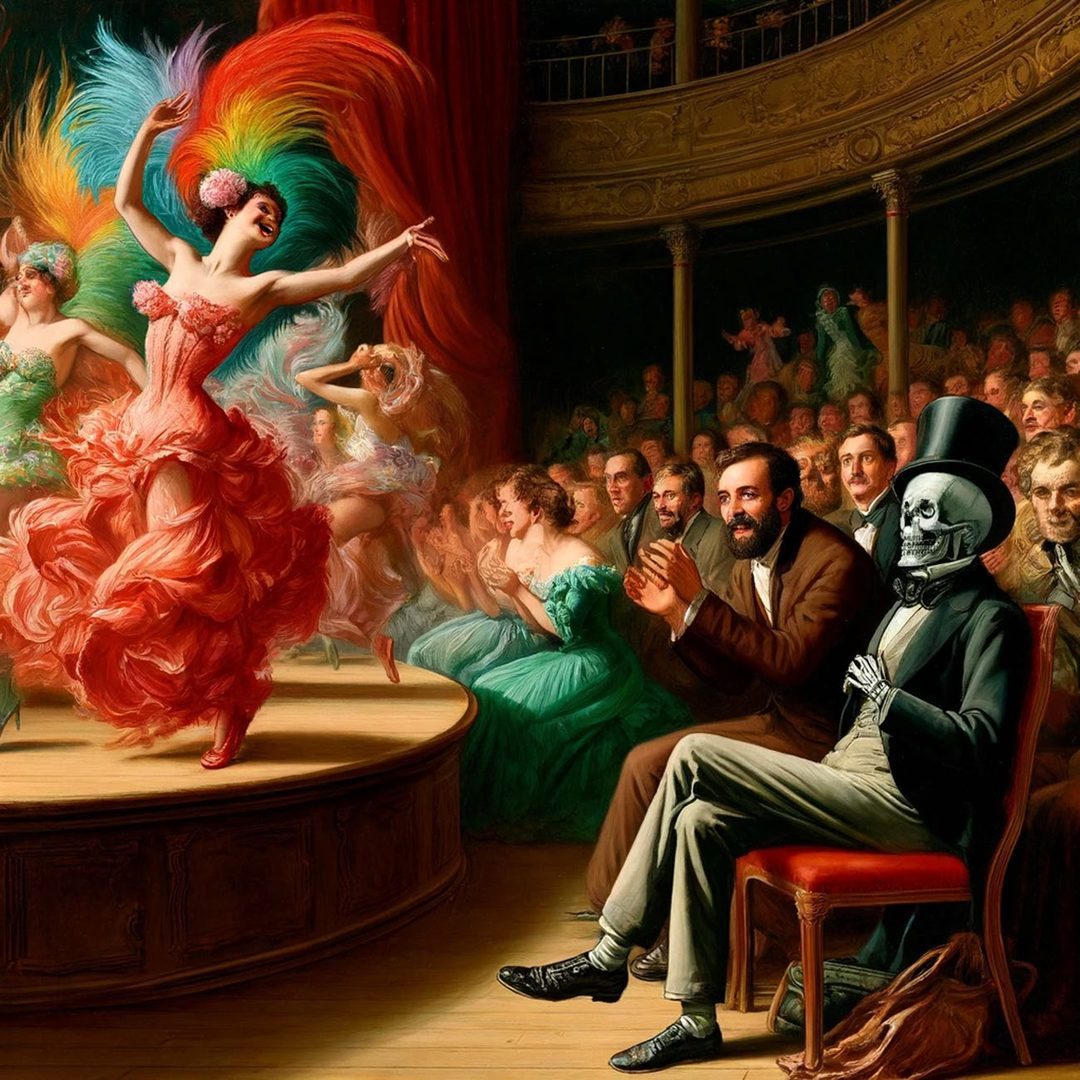
My days wasted in futile endeavors,
my nights in sleep or feverish pleasures.
6b
Blinded by illusive thrill and glee,
I’m oblivious to death sitting next to me.
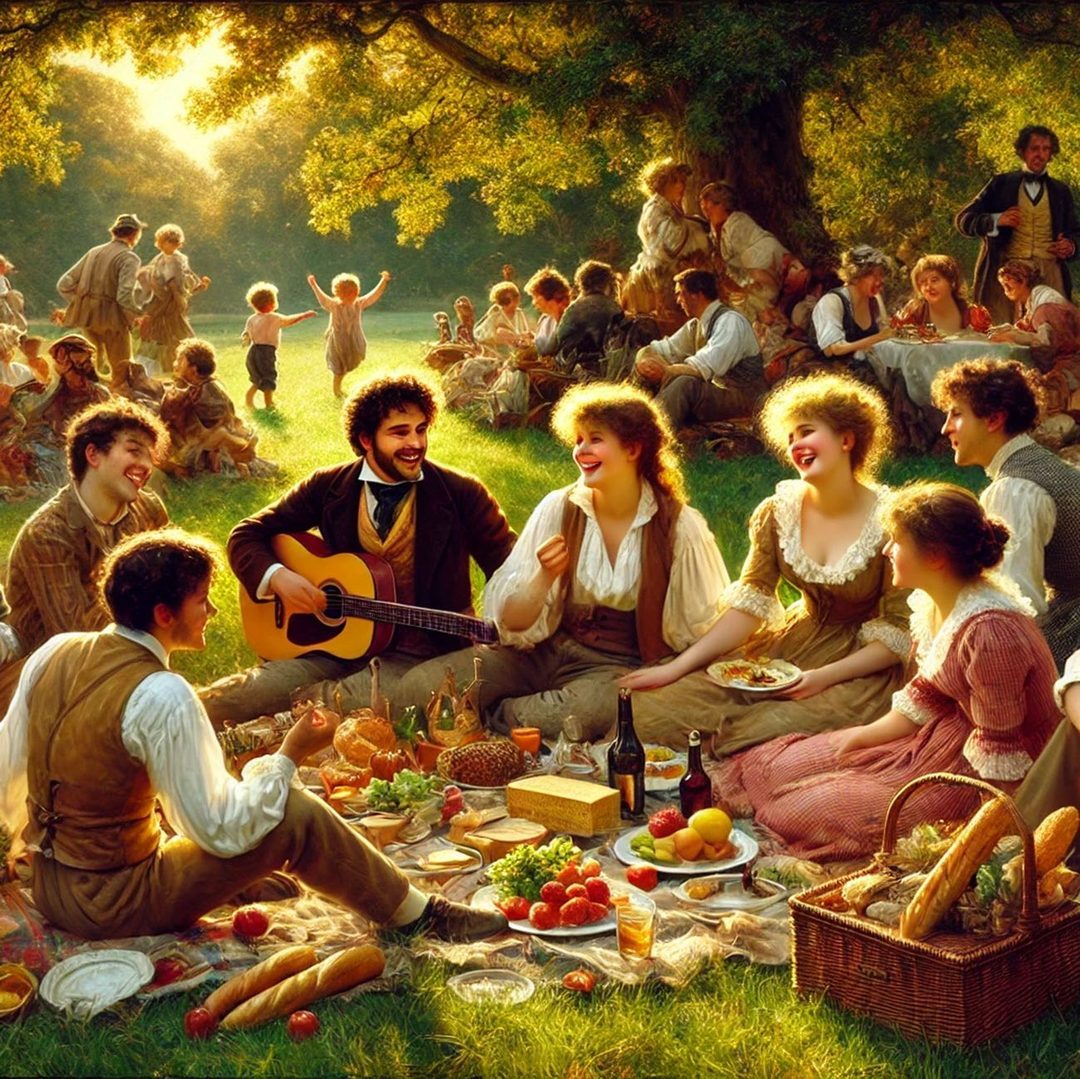
A carefree life, in whims, I lead, eating much or little, fast or feast. I never consider, being blind, that soon I’ll have to leave this body behind.
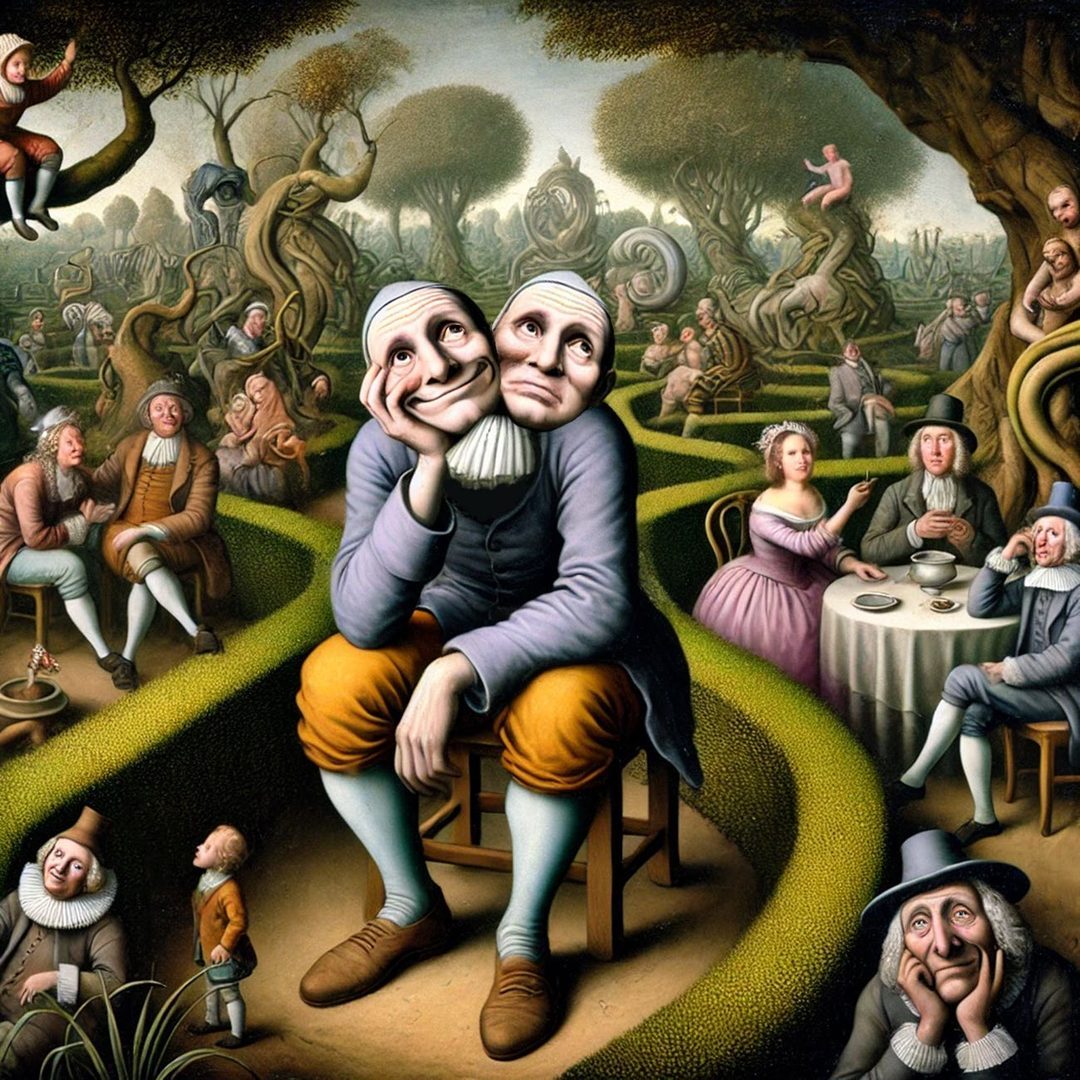
Beneath a veneer of cheerfulness, I am plagued by anxiety, in silent distress. Concerns of maintaining my family and more destroy my good sense to the very core.
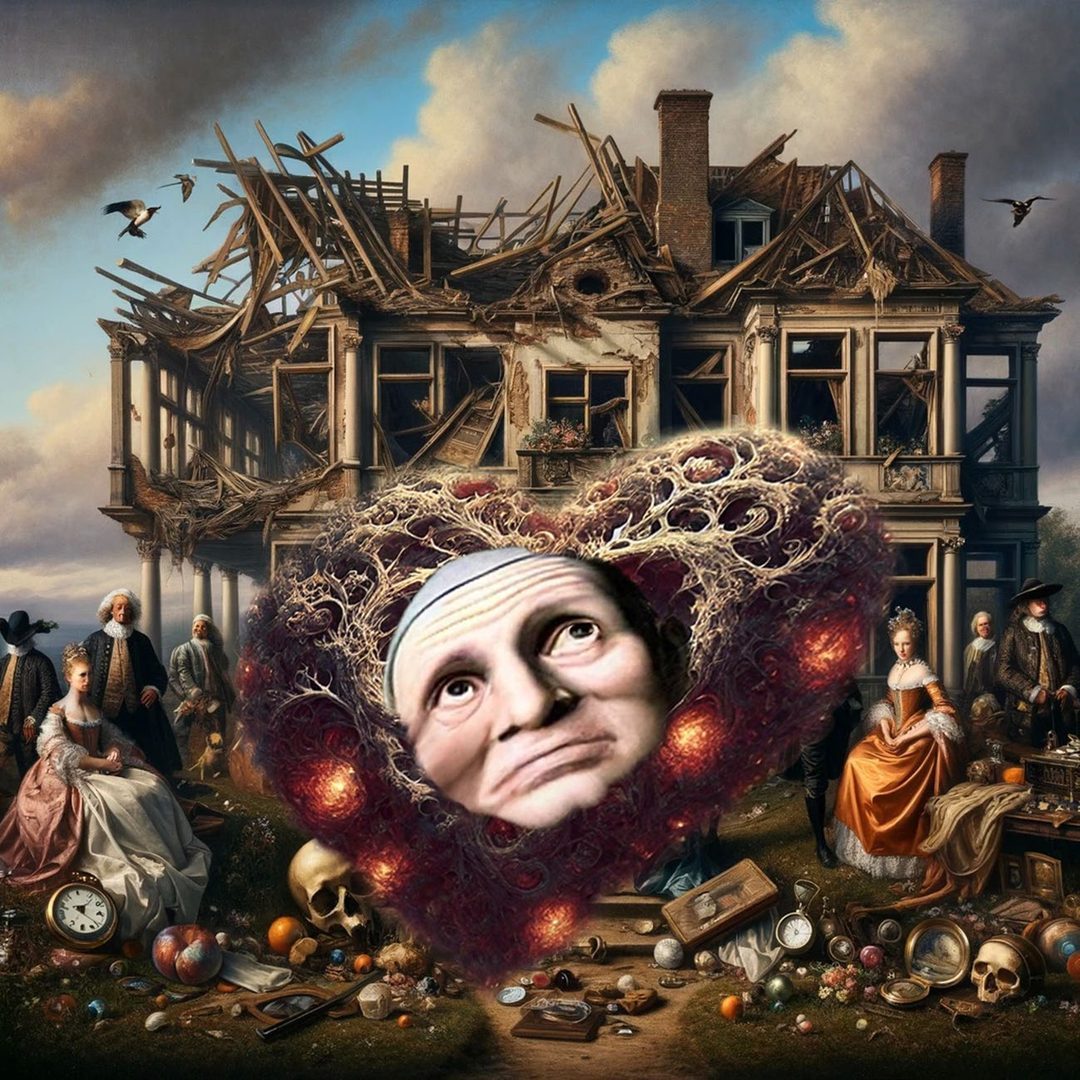
In remorse, my heart deeply sinks,
troubled, away from wisdom it shrinks.
All is ephemeral and will perish soon.
What will remain when I’m dead and gone?
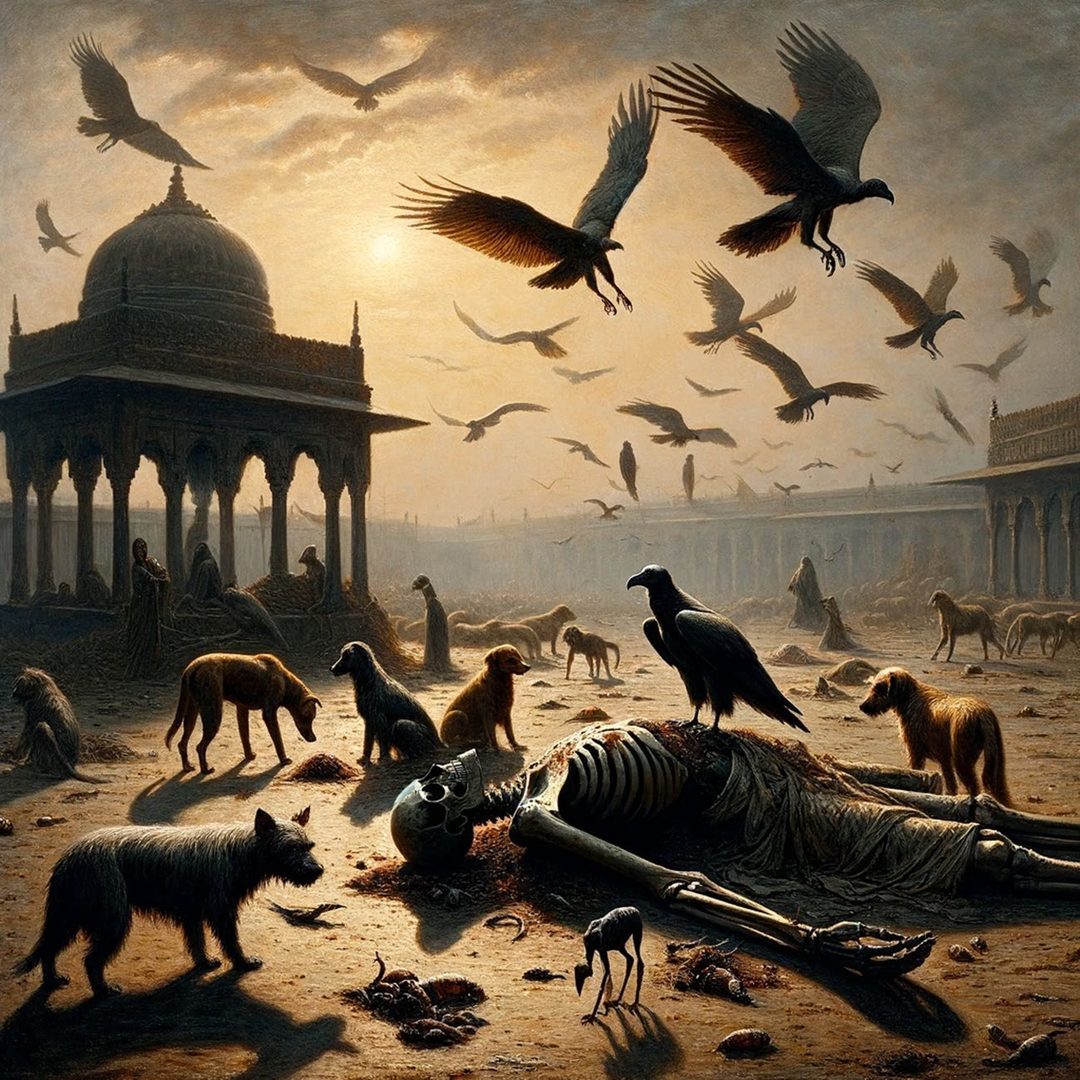
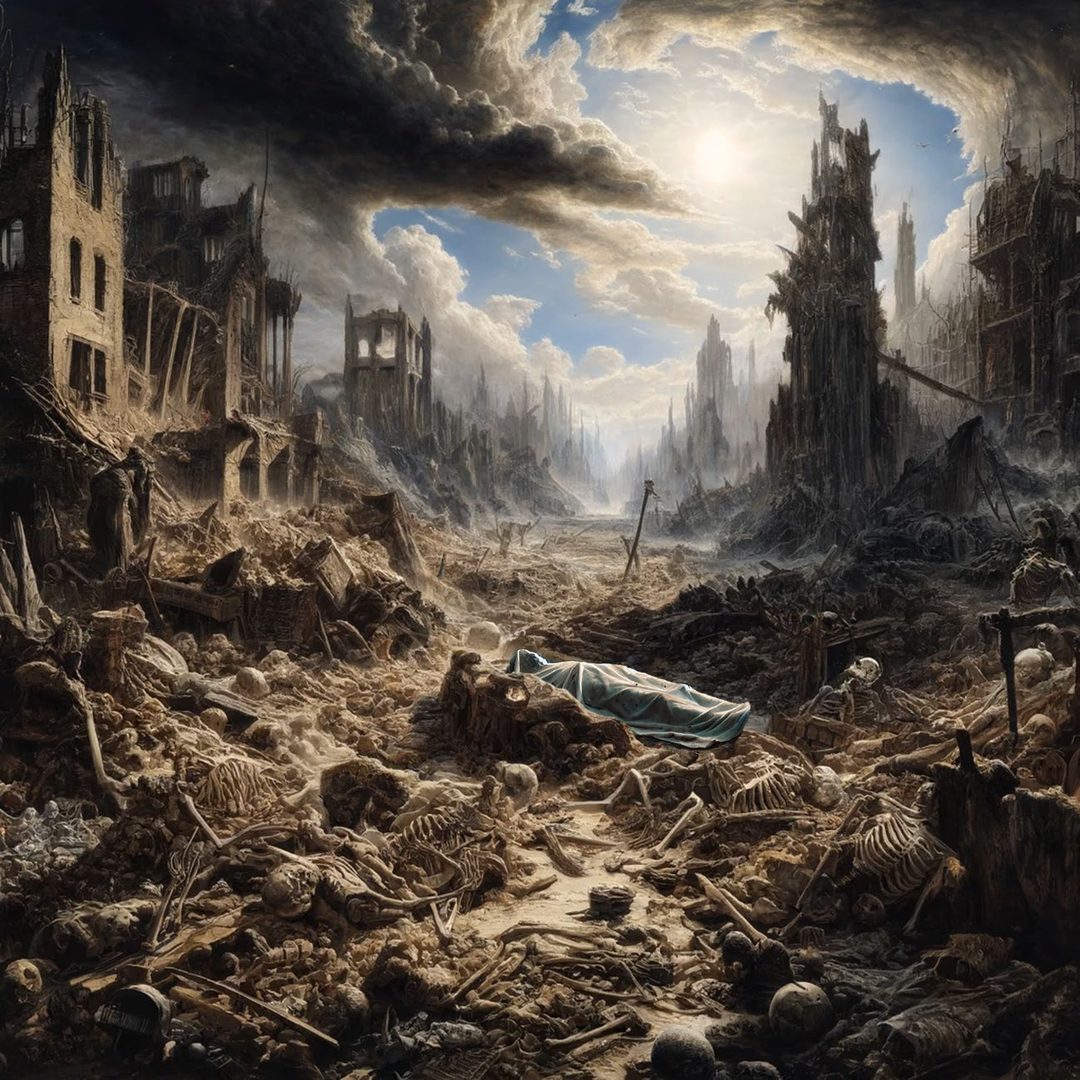
10a At the end, into a pit my body is thrown, for crows and vultures a feast to the bone.
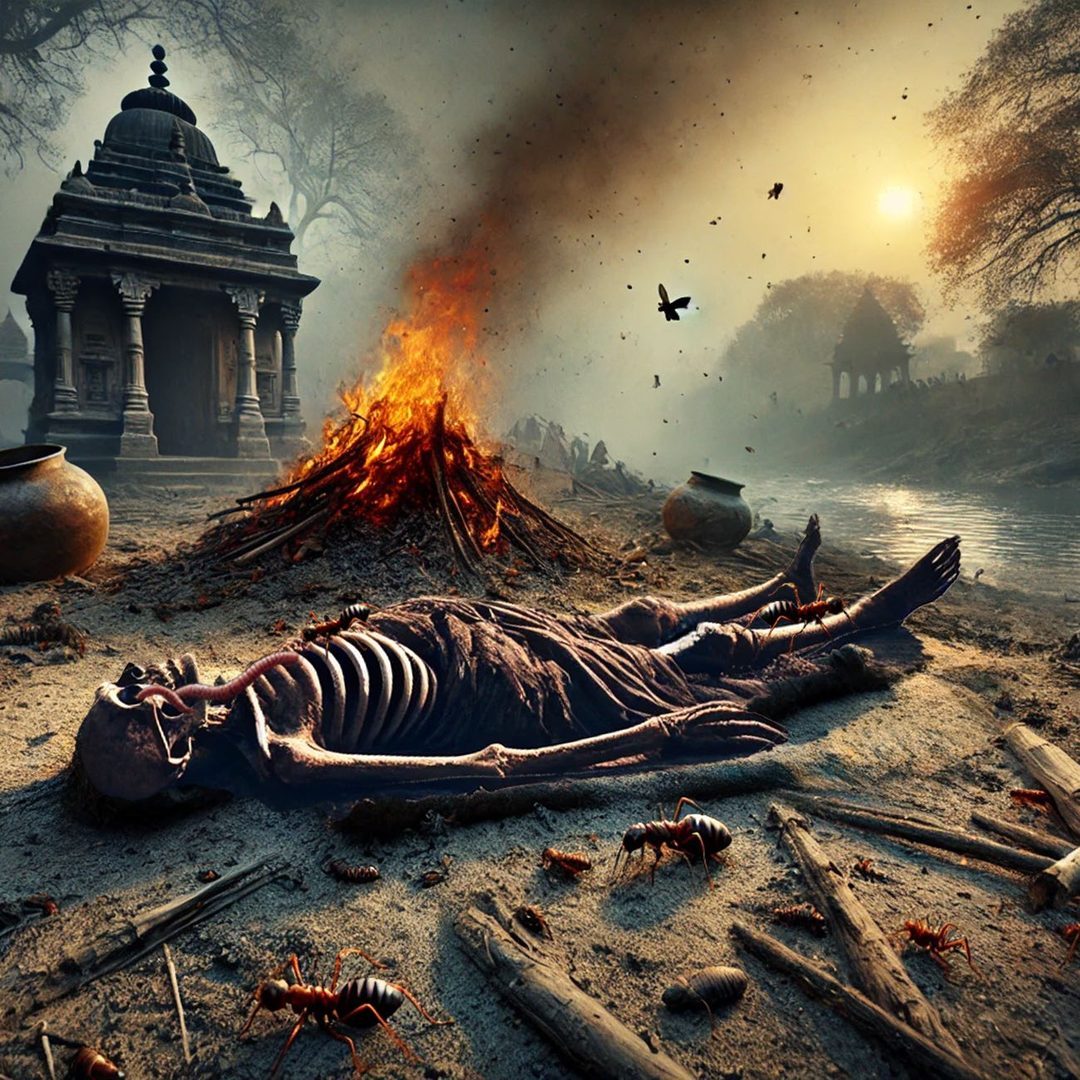
10b
Ants and worms are sumptuously fed,
eating their way from toe to head.
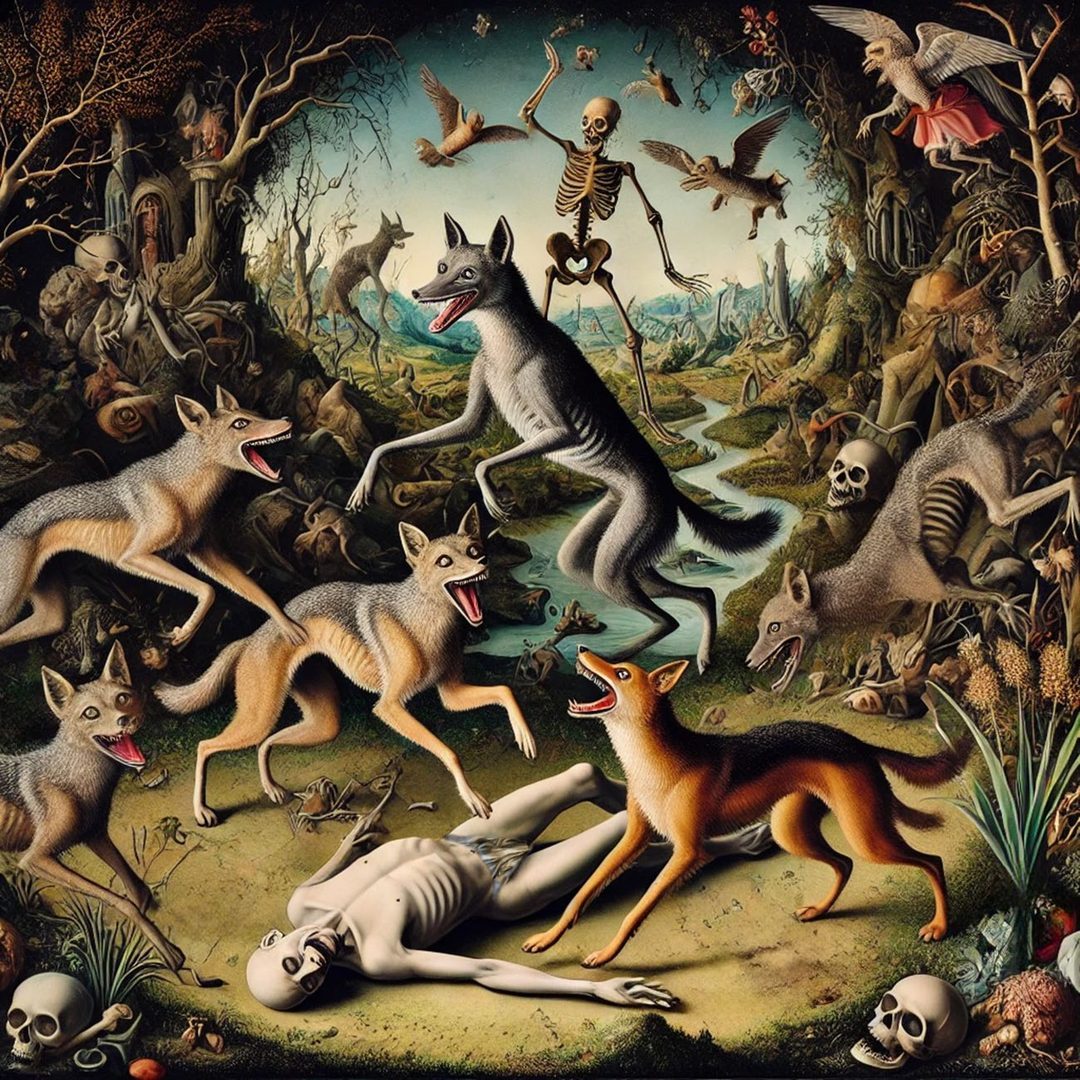
Dogs and jackals, in delight they dance
around my remains, a festive prance.
They celebrate while others bemourn
a corpse expired, tossed and torn.
12a
This body is destined to vanish soon,
to always remember this is a boon.

12b
All that we cherish, to dust shall return,
family and friends to ashes will burn.
To all thougthful persons, a plea I make:
Forsake illusion, the true path take.
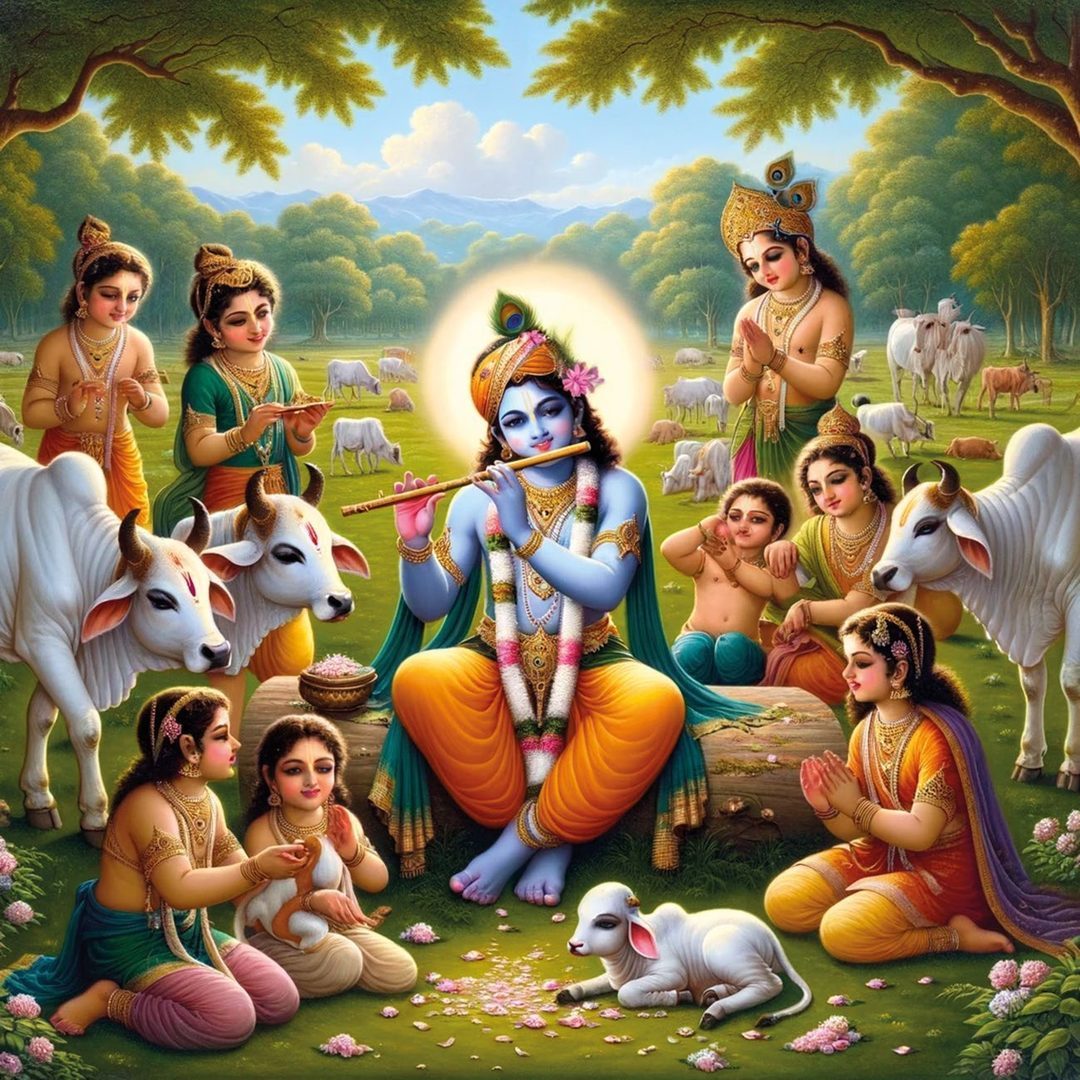
Seek pure devotion, Lord Kṛṣṇa's grace,
eternal truth at last embrace.
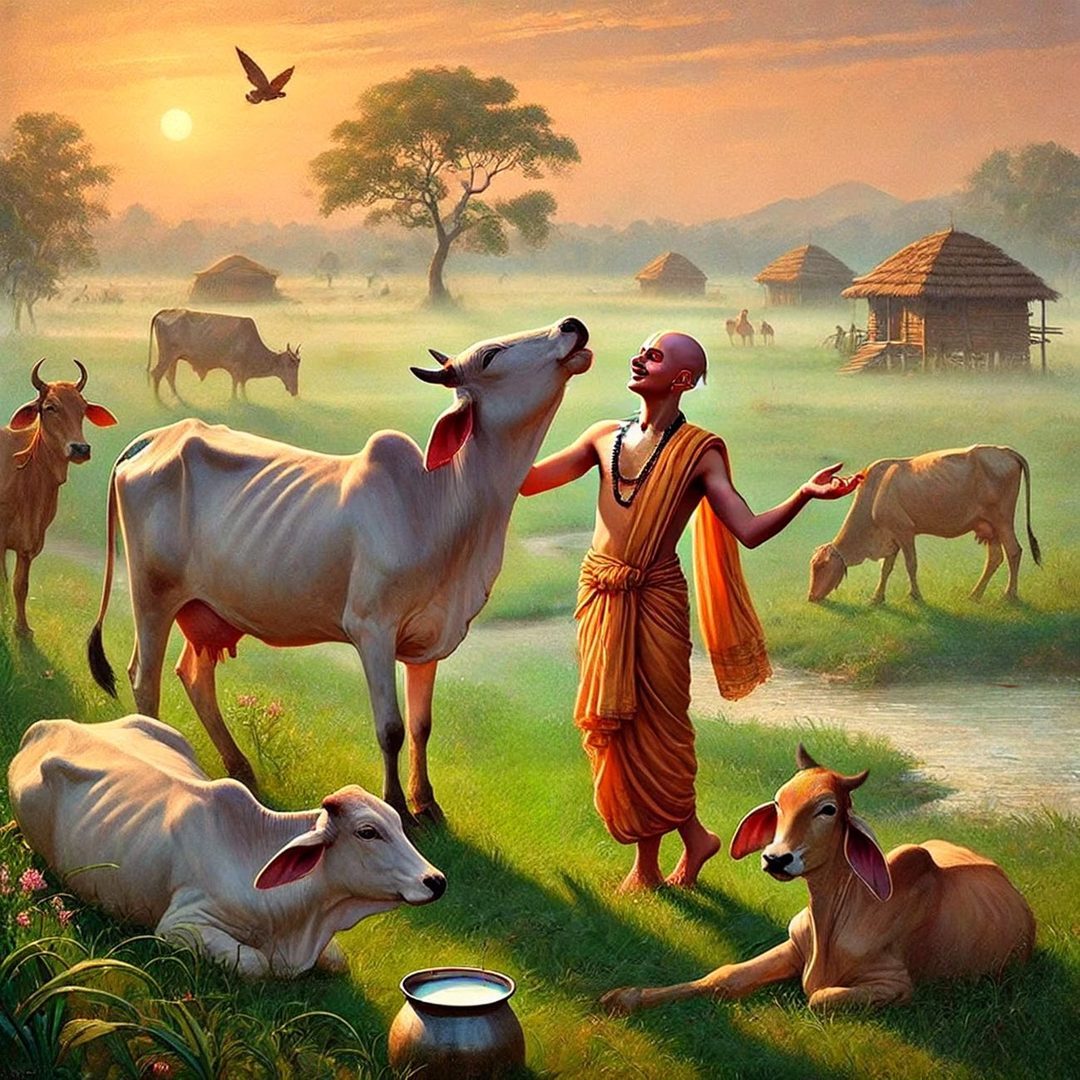
Thus ends this story!
A happy end in glory!
The highest attainment of human birth,
pure love of Godhead on this Earth.
Commentary
The song Magic Lantern Dream (Durlabha mānava-janma), is found in Bhaktivinoda Ṭhākura’s songbook Kalyāṇa-kalpataru, under the section Nirveda-lakṣaṇa-upalabdhi (Attainment of the Symptoms of Despondent, Disinterested Callousness Towards Worldly Affairs). This seemingly negative attitude toward material life is, from a spiritual perspective, not only considered positive but necessary for cultivating the determination to pursue spiritual life seriously. However, many people find this way of thinking difficult to appreciate. They subscribe to the worldview, “Eat, drink and be merry, for tomorrow we may die,” a much-used idiom, particularly popular among young people. A similar attitude is expressed in the term YOLO (You Only Live Once), a philosophy that has been around for centuries, but only recently entered the mainstream lexicon. The Latin term "carpe diem" (Seize the day), coined by the Roman philosopher Horace, expresses a similar idea. Even in India, where the concept of transmigration and saṁsāra—the continuous cycle of birth and death—is widely understood, Cārvāka Muni presented an atheistic philosophy similar to YOLO thousands of years ago. Since in India ghee (clarified butter) is essential in preparing many delicious dishes, Cārvāka Muni advised people to eat food made with ghee as much as possible. He even suggested getting ghee by any means— begging, borrowing or stealing—because, as he believed, when the body is burned to ashes after death, everything is finished. Therefore, he advised enjoying the body as much as possible while alive.
A Deeper Perspective: Understanding Transience
A thoughtful person can easily see that this philosophy is shortsighted. In our experience, we have a past, a present, and a future at every stage of life. A young person can remember their childhood, lives in the present, and plans for their future as an adult and latter
old person. And why should there be no future for the elderly? There is a future, and that future involves getting another body— whether human, animal, plant, demigod, or an associate of God. As in many of his songs, Bhaktivinoda Ṭhākura places himself in the position of an ordinary conditioned soul and, speaking in the first person, describes the typical human experience over the course of a lifetime. He begins by pointing out that the human body is a rare gift, using the word durlabha, which literally means “difficult to obtain.” Vedic literature states that the soul reaches the human level after passing through 8,000,000 species. Bhaktivinoda Ṭhākura laments that he did not take advantage of the unique potential life as a human being offers. Only in human life can one attain self-realization and solve the fundamental problems of existence: birth death old age and disease. Since self-realization means understanding oneself as a spirit soul and an eternal servant of the Supreme Soul, Kṛṣṇa, Bhaktivinoda Ṭhākura regrets in this song that he did not use this valuable human life to worship the Lord.
The Endless Cycle of Saṁsāra
He begins by repeating the word saṁsāra twice, emphasizing its importance. Saṁsāra is a combination of sam (with) and sāra (flowing or passing), meaning "the continuous flow" or "the cycle of existence," referring to the cycle of birth and death. This repetition highlights the constant change and temporary nature of material life. Because all things must pass, Bhaktivinoda Ṭhākura concludes that by engaging only in worldly affairs he has passed his life uselessly, without any permanent benefit. Quite the opposite: he only gained trouble and botheration.
The Shadow Theater and the Magic Lantern
In the following stanza, Bhaktivinoda Ṭhākura compares the world of saṁsāra to a shadow theater, akin to a magic lantern. Shadow theater is an ancient form of storytelling and entertainment that originated in Asia, particularly in China and India, over 2,000 years ago. In these performances, articulated figures are projected between a light source and a translucent screen, creating the illusion of moving images. The magic lantern creates a similar effect by using a box with a light source inside that projects images painted on glass plates onto a surface. Both devices have been used to narrate stories and create visual effects that captivate audiences. By comparing the world to a shadow theater or a magic lantern, Bhaktivinoda Ṭhākura highlights the illusory and ephemeral nature of material creation, where appearances can deceive and divert souls from their true spiritual essence. As the Śrīmad-Bhāgavatam (2.2.3) explains, the material world is only a world of names. In a compelling purport to this verse, Śrīla Prabhupāda writes: The whole material creation is a jugglery of names only; in fact, it is nothing but a bewildering creation of matter like earth, water and fire. The buildings, furniture, cars, bungalows, mills, factories, industries, peace, war or even the highest perfection of material science, namely atomic energy and electronics, are all simply bewildering names of material elements with their concomitant reactions of the three modes. Since the devotee of the Lord knows them perfectly well, he is not interested in creating unwanted things for a situation which is not at all reality, but simply names. The great kings, leaders and soldiers fight with one another in order to perpetuate their names in history. They are forgotten in due course of time, and they make a place for another era in history. But the devotee realizes how much history and historical persons are useless products of flickering time.
Another example illustrating the illusory nature of material existence is the reflection of a tree on a riverbank or the image of a face in a mirror. Both reflected images appear real but are not; the substance exists elsewhere. Similarly, any material manifestation may appear real but is ultimately illusory. Reality is indestructible and permanent, while reflections or shadows are fleeting and will disappear under certain conditions or with the passing of time. This is why Bhaktivinoda Ṭhākura compares manifestations in the material world to optical illusions. Under the influence of time, everything here is created, remains for a while, and is eventually destroyed. All things come and go, constantly in flux. Still, we become attached to material objects and try to hang on to them as long as possible, often desperately fighting decay. However, because in due course of time they will be destroyed, there is no ultimate gain. Therefore, Bhaktivinoda Ṭhākura laments that although he feels great attachment to these shadows and illusions, in the end he is emptyhanded: “Attached to this world, days slip away in vain, I feel lost in this magic lantern's domain.”
Confronting Death
In the next stanza he raises a topic that nobody likes to talk about— death. He asks himself what will remain in his possession at that dreaded time, and what happiness will his relatives be able to give him? As the saying goes: "I was born with nothing, and I will die with nothing.” Bhaktivinoda Ṭhākura will return to this theme in the final stanzas, but for now, he takes a hard look at his everyday life. He compares himself to an ass, a symbol of foolishness. Despite the ass working so hard, its confusion persists. Prabhupāda gives the example of an ass working for a washerman carrying heavy loads of laundry. What for? To get a few morsels of grass which it could get by the roadside for free. Or the ass is duped by a carrot dangling in front of it constantly moving forward in the belief it will reach the carrot at the next step, unaware that the carrot remains out of reach, no matter how many steps it takes. So much effort for nothing. But, being foolish, the ass does not realize that all its endeavors are futile. Ṛṣabhadeva mentions futile endeavors in his instructions to his sons (SB 5.5.5): “As long as one does not inquire about the spiritual values of life, one is defeated and subjected to miseries arising from ignorance.”
The Greatest Wonder
This theme continues in the next two stanzas where Bhaktivinoda Ṭhākura laments that he wastes his days in trivial activities and his nights in sleep, never considering that death is always near. Without much thought to his precarious situation he continues to live a carefree lifestyle comparable to today’s tendency for people to socialize at parties, bars, clubs, discos, or sport events. Nārada Muni describes a similar situation to King Pracinabarhi (SB 4.29.53) with the aim of awakening in him a sense of urgency to solve life’s real problems, namely the repetition of birth and death. Nārada gives the example of a deer who is peacefully grazing in a beautiful flower garden with its mate. The deer is enjoying the sweet singing of bumblebees, but is unaware that ahead of him is a tiger, accustomed to living at the cost of another's flesh, and behind him is a hunter, poised to pierce it with sharp arrows. Just as the deer's death is imminent, so is ours, yet we never consider that one day we will have to give up our body. This kind of oblivious indifference is considered the greatest wonder, as illustrated in the Mahābhārata, when Yudhiṣṭhīra is asked by Yamarāja in the form of a Yakṣa: kiṁ āścaryam. “What is the greatest wonder?”, whereupon the king answered: ahaḥni ahaḥni bhūtāni gacchanti yamālayam, śeṣāḥ sthāvaram icchanti kim āścaryam ataḥ param. "Day after day, countless creatures go to the abode of Yama (the god of death); yet those who remain believe themselves to be immortal. What could be more astonishing than this?"
The Struggles of Family Life
In stanzas 8 and 9, Bhaktivinoda Ṭhākura reflects on the struggles of family life, especially the anxiety of maintaining family members and preventing their inevitable decline. The last few stanzas describe in graphic terms the destination of the material body, referencing the Parsi practice in India of leaving corpses exposed to scavenging birds such as vultures and crows, as well as jackals and worms.
Letting Go of Illusions
Bhaktivinoda Ṭhākura concludes his song by urging all thoughtful persons to give up the temporary illusions presented by māyā and seek the means to attain pure love of God, the only eternal truth and the ultimate goal of life.
The Original Song
Durlabha mānava-janma
Bhaktivinoda Ṭhākura
durlabha mānava-janma labhiyā saṁsāre kṛṣṇa nā bhajinu-duḥkha kahiba kāhāre? durlabha—rare; mānava-janma—human birth; labhiyā—attaining; saṁsāre—in the material world; kṛṣṇa—Lord Kṛṣṇa; nā bhajinu—I have not worshipped; duḥkha—the misery; kahiba—I will speak; kāhāre—to whom? Although the human form of life is the rarest opportunity for attaining spiritual perfection, I am now lamenting bitterly. This is because somehow or other I have been born with such an opportunity, but have simply wasted it by never worshiping Lord Kṛṣṇa. Oh, to whom shall I tell the tale of my misery? 'saṁsāra' 'saṁsāra', ka're miche gela kāla lābha nā haila kichu, ghaṭila jañjāla saṁsāra saṁsāra—nothing but worldly affairs; ka're—doing; miche—uselessly; gela kāla—the time has passed; lābha—gain; nā haila—there has not been; kichu— anything; ghaṭila—happened; jañjāla—anguish. Having married and entered the entanglements of materialistic family life, I passed my time in vain. I never got any tangible gain or permanent benefit, but only trouble and botheration. kisera saṁsāra ei chāyābāji prāya ihāte mamatā kari' bṛthā dina jāya kisera—what type of; saṁsāra—world; ei—this; chāyābāji—shadow-theater; prāya—just like; ihāte—in this; mamatā—false sense of possession; kari'—doing; bṛthā—fruitlessly; dina jāya—the days have passed. What kind of world is this? It seems to be just like a magic lantern show, wherein so many shadows and optical illusions dance magically before my eyes. I feel great attachment and identification with such a world, and thus day after day passes in vain, without obtaining real benefit. e deha patana ha'le ki ra'be āmāra? keha sukha nāhi dibe putra-parivāra e deha—this body; patana ha'le—upon falling (dying); ki ra'be—what will remain; āmāra—mine; keha—some; sukha—happiness; nāhi dibe—will not give; putraparivāra—sons and family. When this body drops dead on the ground, what will then remain mine? At that moment, all of my sons and dearest loved ones will not be able to give me any happiness. gardabhera mata āmi kari pariśrama kā'ra lāgi' eta kari, nā ghucila bhrama gardabhera mata—just like an ass; āmi kari—I perform; pariśrama—labor; kā'ra lāgi'—on behalf of whom?; eta kari—I work like this; nā—not; ghucila—has removed; bhrama—my bewilderment. I work hard just like an ass every day, and now I am wondering: For whom am I working so hard? I am still surrounded by so many illusions. dina jāya michā kāje, niśā nidrā-baśe nāhi bhāvi-maraṇa nikaṭe āche ba'se
dina jāya—the day passes; micha kāje—in trivial endeavors; niśā—the night; nidrābaśe—under the control of sleep; nāhi bhāvi—I do not think; maraṇa—death; nikaṭe—nearby; āche—is there; ba'se—sitting. I waste every day in useless, insignificant work, and I waste every night controlled by sleep. And in every twenty-four hours I never consider that cruel death is always sitting right in front of me. bhāla manda khāi, heri, pari, cintā-hīna nāhi bhāvi, e deha chāriba kona dina bhāla—very much; manda—or a little; khāi—I eat; heri—I see; pari—I wear; cintāhīna—carefree; nāhi bhāvi—I do not think; e deha—this body; chāriba—I will leave; kona dina—some day. I imagine that I live a very carefree life-style, sometimes eating a lot, or eating a little if I feel like it. Sometimes I see nice things around the town, or sometimes I do not go out at all. Sometimes I wear opulent clothing, or if I'm in the mood, I'll wear something simple. I live so carefree that I never consider that one day I will have to give up this body. deha-geha-kalatrādi-cintā avirata jāgiche hṛdaye mora buddhi kari' hata deha—the body; geha—the home; kalatra—the wife; ādi—and so forth; cintā— concern; avirata—incessantly; jāgiche—awakening; hṛdaye mora—in my heart; buddhi—intelligence; kari' hata—is crushed. But in actuality my poor heart is plagued by constant anxieties regarding the maintenance of my body, my house, my wife, my family members, and my social obligations. All these anxieties are pinching me sharply and truly destroying my intelligence. hāya, hāya! nāhi bhāvi-anitya e saba jīvana vigate kothā rahibe vaibhava? hāya hāya—alas! alas!; nāhi bhāvi—I do not think; anitya—temporary; e saba—all of this; jīvana vigate—when life runs out; kothā—where; rahibe—will remain; vaibhava—these opulences. Alas, alas! What a remorseful situation has arisen! I am engrossed with all this trouble, but I never consider that all these things are temporary and subject to perish very soon. After I'm dead and gone, what will remain of all my material opulences?
śmaśāne śarīra mama pariyā rahibe bihaṅga-pataṅga tāya vihāra karibe śmaśāne—at the crematorium; śarīra mama—my body; pariyā—falling flat; rahibe—will remain motionless; bihaṅga-pataṅga—birds and bugs; tāya—there; vihāra karibe—will frolic. When my body is thrown into the pit at the cremation grounds, it will simply lie there motionless. Then many crows, vultures, ants, and worms will come and playfully sport there. kukkura sṛgāla saba ānandita ha'ye mahotsava karibe āmāra deha la'ye kukkura—dogs; sṛgāla—and jackals; saba—all; ānandita ha'ye—becoming ecstatic; mahotsava—great festival; karibe—will be; āmāra deha—my body; la'ye—taking. All the stray dogs and jackals will become very much delighted, and in great ecstasy they will make a festival ground out of my body and have a huge feast.
ye dehera ei gati, tā'ra anugata saṁsāra-vaibhava āra bandhu-jana yata ye dehera—of which body; ei gati—this end; tā'ra anugata—its followers; saṁsāravaibhava—opulence of the material world; āra—and; bandhu-jana—friends; yata— all. Just see, such is the ultimate destination of this material body. And the most amazing thing is that all material opulences—my house, family and friends—have exactly the same destination. ataeva māyā-moha chāri' buddhimāna nitya-tattva kṛṣṇa-bhakti karuna sandhāna ataeva—therefore; māyā-moha—the bewilderment of illusion; chāri'—rejecting; buddhimān—a wise person; nitya-tattva—eternal truth; kṛṣṇa-bhakti—devotion to Kṛṣṇa; karuna sandhāna—please seek. Therefore I advise those of you who have keen intelligence: "Please give up all these temporary illusions presented by māyā, and search after the means to get pure devotion to Lord Kṛṣṇa, for this is the only eternal truth."