 Spiritual
(An adaptation of Narottama dāsa Ṭhākura’s Hari! hari! ki mor karam abhaga)

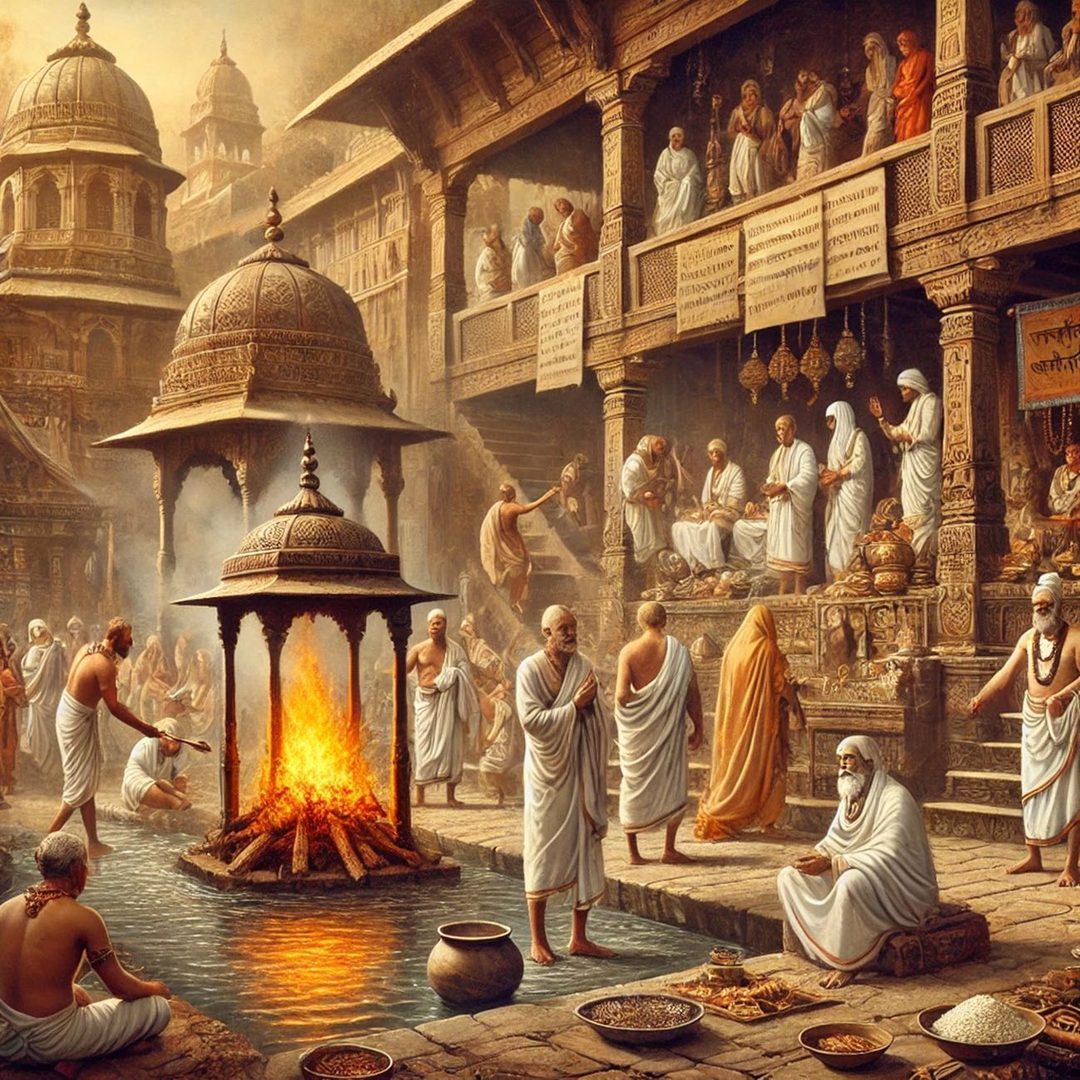
Hari! My Lord, O Hari! How unfortunate my actions can be! I lived in vain, my poor heart speared by pain, no true love for You could I gain.
2a
Sacrifices, charity, and meditation,
pious deeds, mantras, and holy water dips—

2b
all are illusions, without devotion,
a laughable display, like jewels on rags.
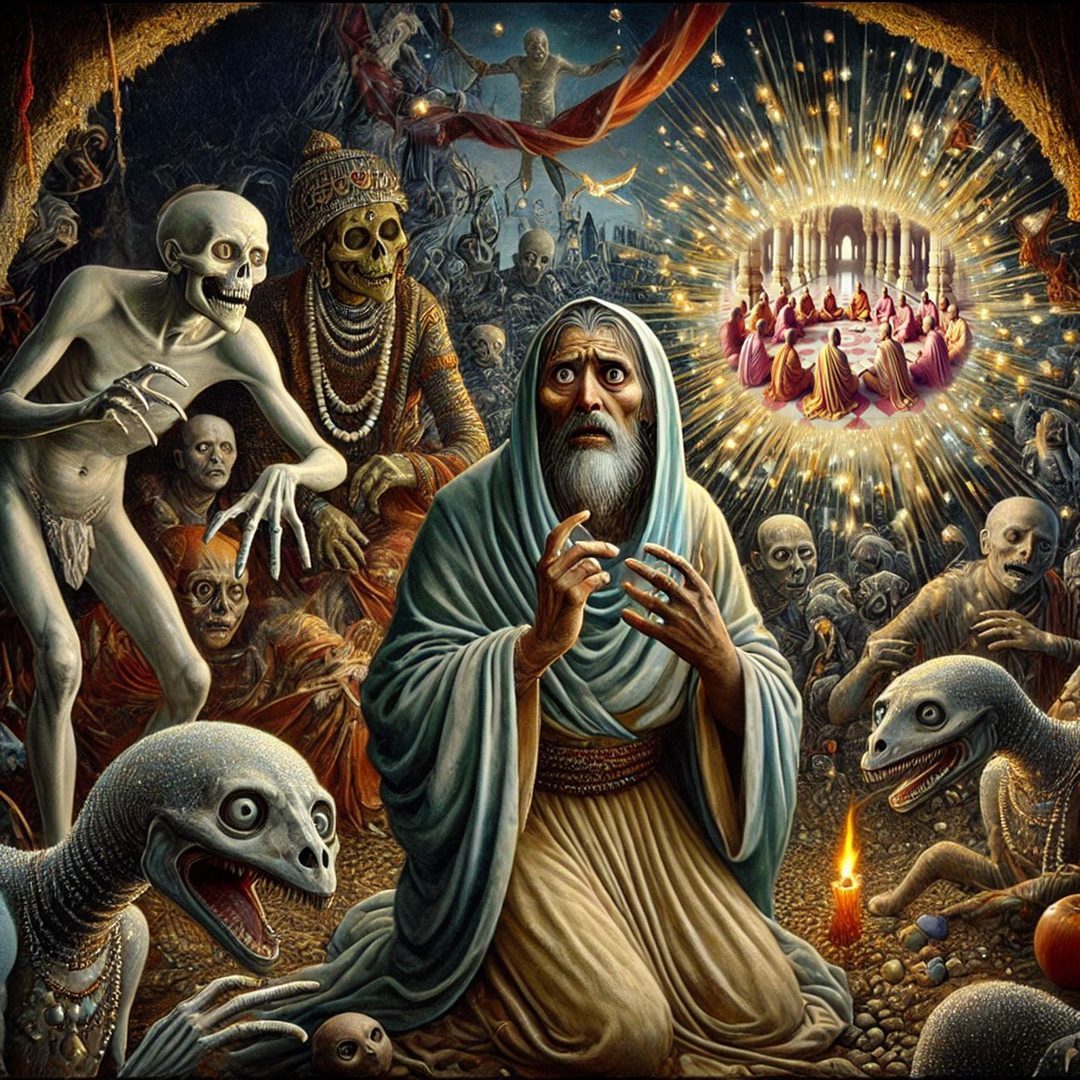
The nectarine words from the lips of sādhus never entered my heart, shrouded in offenses. Bad company has broken any good within me. Where can I flee when Death comes for me?
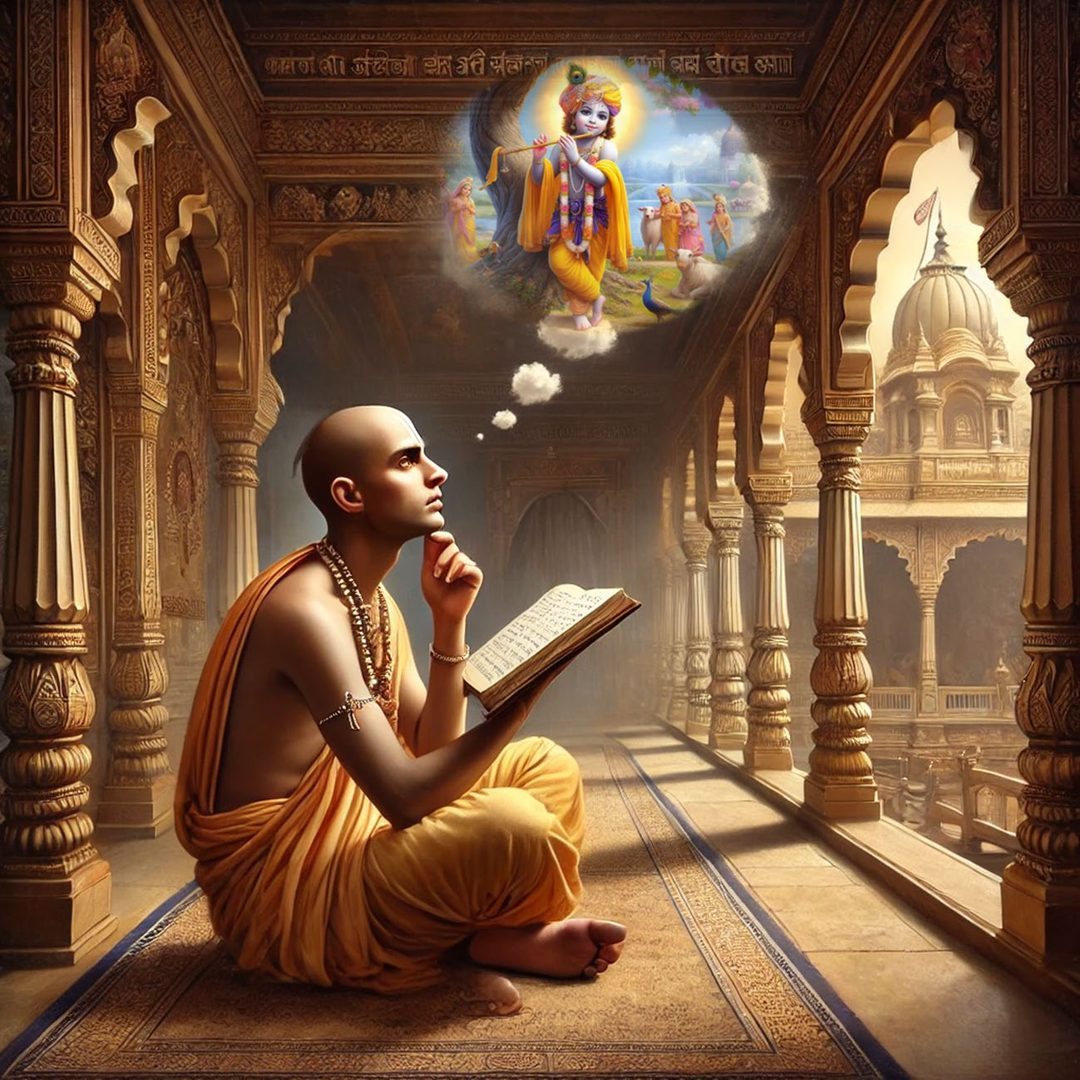
4a From all the Vedic scriptures did I hear that Hari's lotus feet will free me from fear.
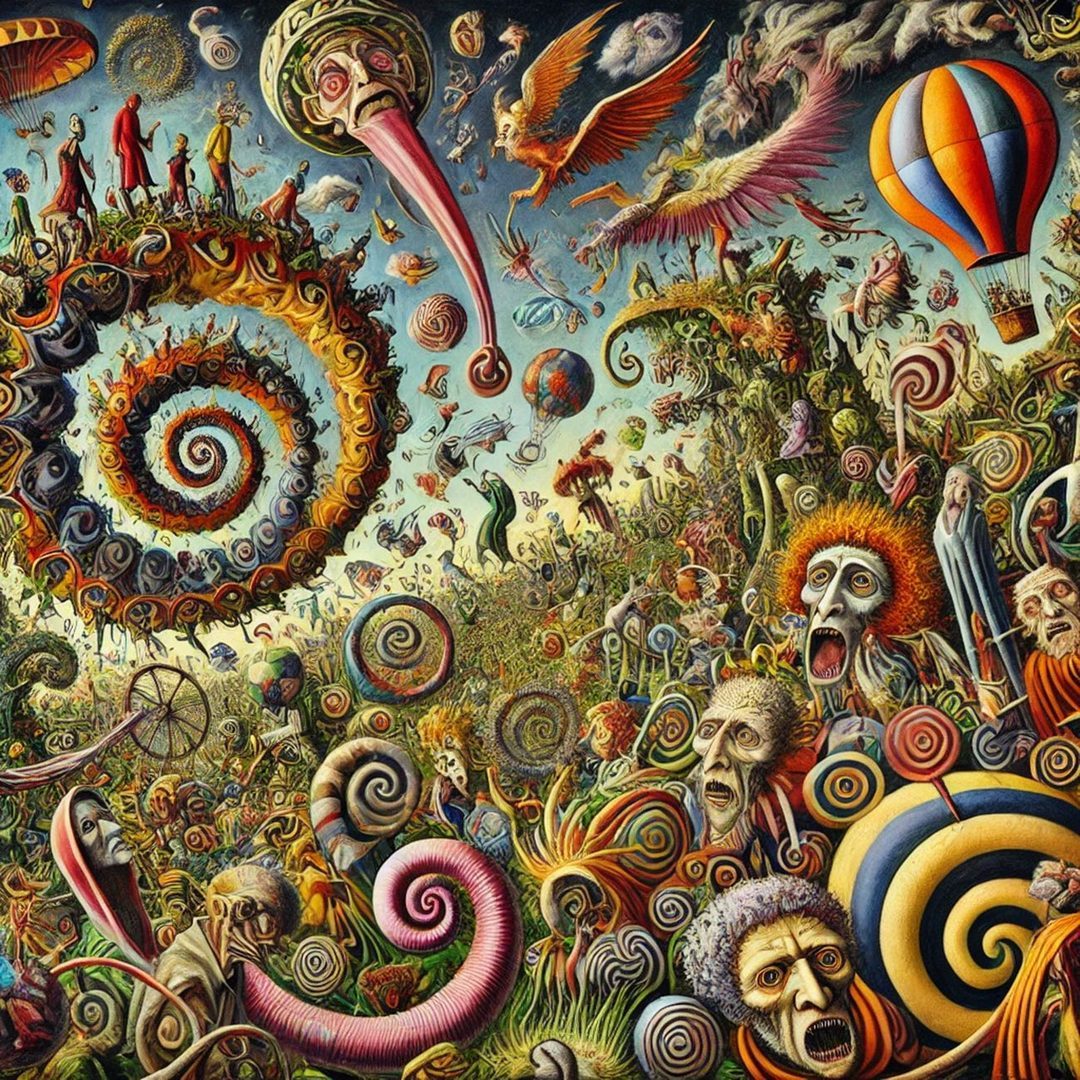
4b But I chose a life of dizzy delirium, never praised His name, nor gazed at His form.
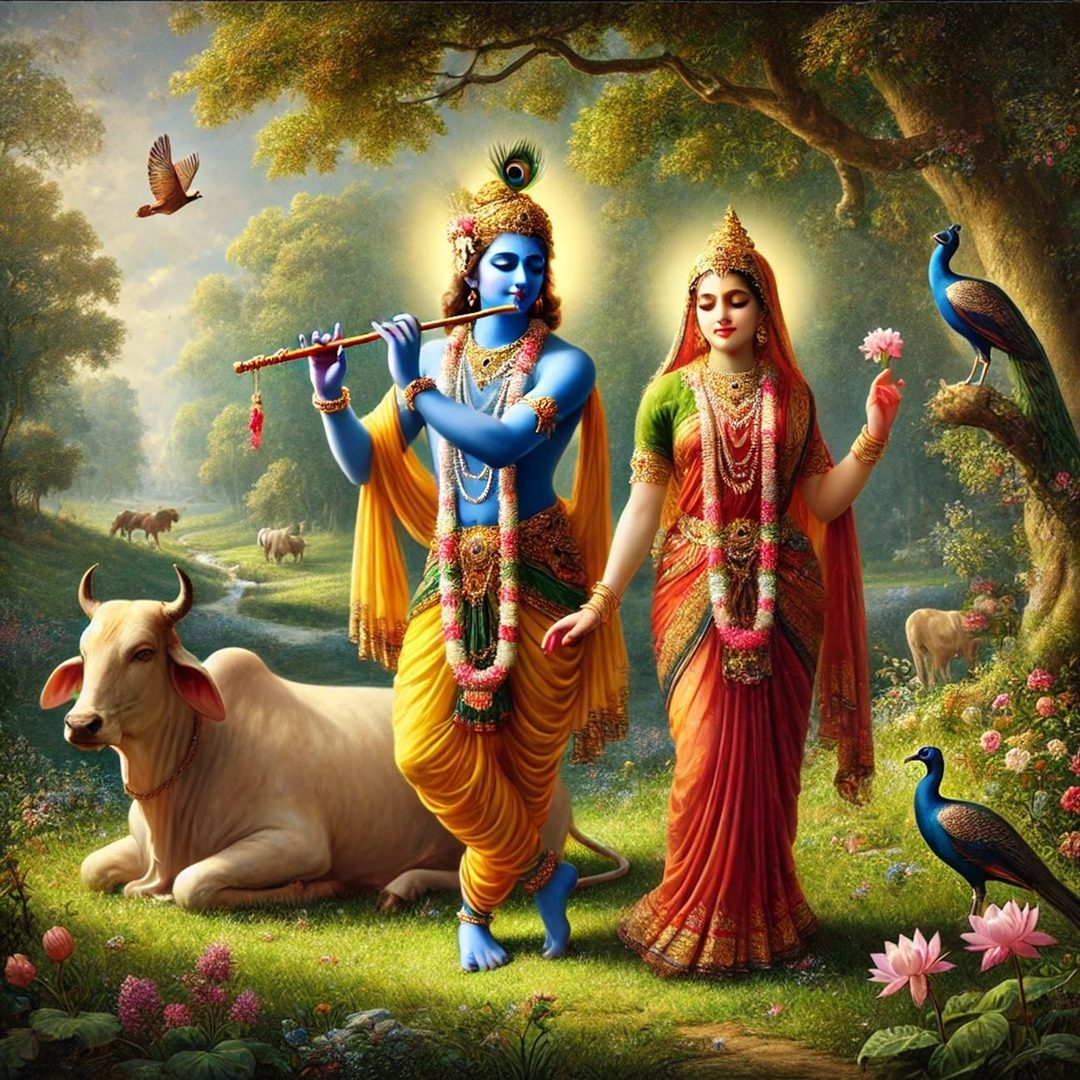
Now my body and mind I will place at Rādhā-Krishna's lotus feet by Their grace. Lowly desires flee—I have no more fear, with my body and mind in Their care.
Commentary
This song by Narottama dāsa Ṭhākura is part of the section Dainyābodhika in the songbook Prārthana where the author describes his fallen condition. Hari! Hari! biphale, which is included in this collection under the title A Wasted Birth, is also part of this section.
A Sense of Profound Loss
The overall sentiment is one of deep spiritual regret, where the devotee feels that, despite living an active life crowned with successes and accomplishments, they have failed to cultivate genuine love and devotion to the Lord. This painful realization brings a profound sense of loss and a piercing heartache. Narottama dāsa Ṭhākura uses the word abhāga (unfortunate), and the word biphale (lit. “bad fruit”) to describe the futility of a life dedicated only to worldly pursuits. In another song, also included in Dainyā-bodhika, he expresses a similar sentiment: hari hari! boro śela marame rahila pāiyā dūrlabha tanu śrī-kṛṣṇa-bhajana vinū janma mora biphala haila “O Lord Hari, a great spear of lamentation is piercing my heart. Even after attaining this rare human body, still I have not worshipped my beloved Śrī Kṛṣṇa, and thus my life has become useless.”
Illusion of Pious Deeds
In the second stanza, Narottama dāsa Ṭhākura lists various practices that people generally follow to accrue pious credit, practices promised to lead to a better future life or, at the very least, recognition as a good person. However, he calls all these practices illusions because unless they are tinged with bhakti, they will not lead to the ultimate goal—pure devotional service, which is the only true and permanent asset. All attainments in this world are temporary and will vanish in time, including the results of pious activities. Such superficial religiosity is likened to the absurdity of wearing valuable jewelry on cheap clothing. Rūpa Gosvāmī describes this kind of pseudo-spirituality as niyama-āgraha—adhering to religious principles merely for appearance's sake or to be seen as a loyal follower, rather than for genuine spiritual advancement.
Consequences of Bad Company
In the third stanza, Narottama dāsa Ṭhākura expresses remorse for not acting on the wisdom imparted by saints. He acknowledges that continuous association with materialistic people (asat saṅga) has led to the destruction or failure of everything worthwhile in his life. He now realizes that bad company can easily lead to spiritual and moral decay. The stanza ends with a poignant question, conveying anxiety and despair about the inevitable approach of death and what can possibly be done when the last hour arrives.
Regret for Missed Opportunities
The fourth stanza again expresses regret. Narottama dāsa Ṭhākura acknowledges that, despite living a life filled with comfort and opportunities, as indicated by the word sukhe (happiness), he failed to engage in essential devotional practices such as chanting the holy name of Kṛṣṇa or meditating on His divine form. The tone reflects a recognition of missed spiritual opportunities and the realization of having neglected what is truly important.
Essence of Devotional Surrender
The final stanza beautifully encapsulates the essence of devotional surrender, where the devotee wishes to be entirely absorbed in divine love, free from worldly attachments. Narottama dāsa Ṭhākura
expresses his resolve to surrender everything unconditionally—body, mind and soul—at the lotus feet of the Divine Couple, Rādhā and Kṛṣṇa. Through this act of unreserved surrender to Their Lordships, with all worldly desires kept at a distance, he is freed from all fear and finds peace under Their shelter. In the Śrīmad-Bhāgavatam (2.8.6), we find the following verse expressing a similar sentiment: A pure devotee of the Lord whose heart has once been cleansed by the process of devotional service never relinquishes the lotus feet of Lord Kṛṣṇa, for they fully satisfy him, as a traveler is satisfied at home after a troubled journey.
The Original Song
Hari! hari! ki mora karama abhaga
Dainyā-bodhika Prārthana (Prayer Wherein the Author Describes His Fallen Condition) Narottama dāsa Ṭhākura hari hari ki mora karama abhāga biphale jīvana gela, hṛdaye rahila śela nāhi bhela hari-anurāga hari—O Hari; hari—O Hari; ki—how; karama—activities; abhāga—unfortunate; biphale—useless; jīvana—the life is passed hṛdaye—in the heart; rahile—placed; śela—a spear; nāhi—not; bhela—mixed; hari—for Hari; anurāga—love. O Hari, O Hari, everything that I do is inauspicious. I have uselessly wasted my life, and I have no love for You. It is as if my heart were pierced by a sharp spear. yajña, dāna, tīrtha-snāna, puṇya karma japa dhyāna, akāraṇe sab gelo mohe bujhilām mane heno, upahāsa hoy yeno, vastra hīna ābharaṇa dehe yajña—Vedic sacrifices; dāna—charity; tīrtha—in pilgrimage places; snāna— bathing; puṇya—pious; karma—activities; japa—chanting of mantras; dhyāna— meditation; akāraṇe—useless; saba—all; gela—were; mohe—in illusion; bujhilāma—I knew; mane—in the mind; hena—like this; upahāsa—laughter; haya— was; yena—by which; vastra—elegant clothing; hīna—without; alankara— ornaments; dehe—on the body. Vedic sacrifices, charity, bathing in holy places of pilgrimage, pious deeds, mantrachanting, and meditation, are all useless and illusory. When I think of these things laughter arises within my mind. Engaging in these activities without performing devotional service is like placing valuable ornaments on a body clothed in rags.
sādhu mukhe kathāmṛta, śuniyā vimala cita, nāhi bhela aparādha kāraṇa satata asat sańga, sakali hoilo bhańga, ki kariba āile śamana sādhu—of the saintly devotees; mukhe—from the mouth; kathā—topics; amṛta— nectar; śuniyā—hearing; vimala— purified; cita—mind, heart, consciousness; nāhi— not; bhela—mixed; aparādha—of offenses; karana—the cause; satata—constantly; asat—of the non-devotees; saṅga—association; sakali—everything; haila—has become; bhaṅga—broken; ki—how; kariba—will appear; āile—on the horizen; śamana—death. Although I sometimes hear the nectarean message of Godhead from the mouths of the devotees, because I commit so many offenses, I do not become purified. I continually associate with non-devotees, and in this way all my spiritual advancement is broken apart. Furthermore, death will soon appear on my horizon.
śruti smṛti sadā rabe, śuniyāchi ei sabe, hari pada abhaya śaraṇa janama loiyā sukhe, kṛṣṇa nā bolinu mukhe, nā kariṇu se rūpa bhāvana śruti—of the Śruti scriptures; smṛti—of the Smṛti scriptures; sadā—always; rabe—in the statements; śuniyāchi—I have heard; ei—this; sabe—all; hari—of Hari; pada— the lotus feet; abhaya—fearless; śarana—the shelter; janama—this life; laiyā— having passed; sukhe—happy; kṛṣṇa—the sound Kṛṣṇa; na—not; balinu—I chanted;
mukhe—in the mouth; na—not; kariṇu—I do; se-rupa—of His transcendental form; bhabana—the meditation. Although I have repeatedly heard the words of the Śruti and Smṛti scriptures saying that one should take shelter of Hari's lotus feet to become fearless, nevertheless I refuse to happily chant the holy name of Krsna, and I decline to meditate on His transcendental form.
rādhā-kṛṣṇa duhuń pāy, tanu mana rahu tāy, ār dūre jāuk vāsanā narottama dāse kāya, āra mora nāhi bhāya, tanu mana saṁpinu āpanā rādhā—Radha; kṛṣṇa—Krsna; duhuṅ—both; pāya—lotus feet; tanu—body; mana—- mind; rahu—may stay; tāya—that; āra—and; dūre—far away; jāuka—go; vāsanā— material desires; narottama dāsa—Narottama dāsa; kāya—saying; āra—and; mora—of me; nāhi—there is no; bhāya—fear; tanu—body; mana—and mind; saṁpinu—in place; āpanā—spontaneously. I shall now concentrate my mind on the lotus feet of Śrī Śrī Rādhā and Kṛṣṇa, and all my material desires will flee far away. Narottama dāsa says: Now that I have fixed my mind on Śrī Śrī Rādhā and Kṛṣṇa, I am no longer afraid of what may be coming.