 Spiritual
(An adaptation of Bhaktivinoda Ṭhākura’s Aruṇadoya kīrtana I+II)
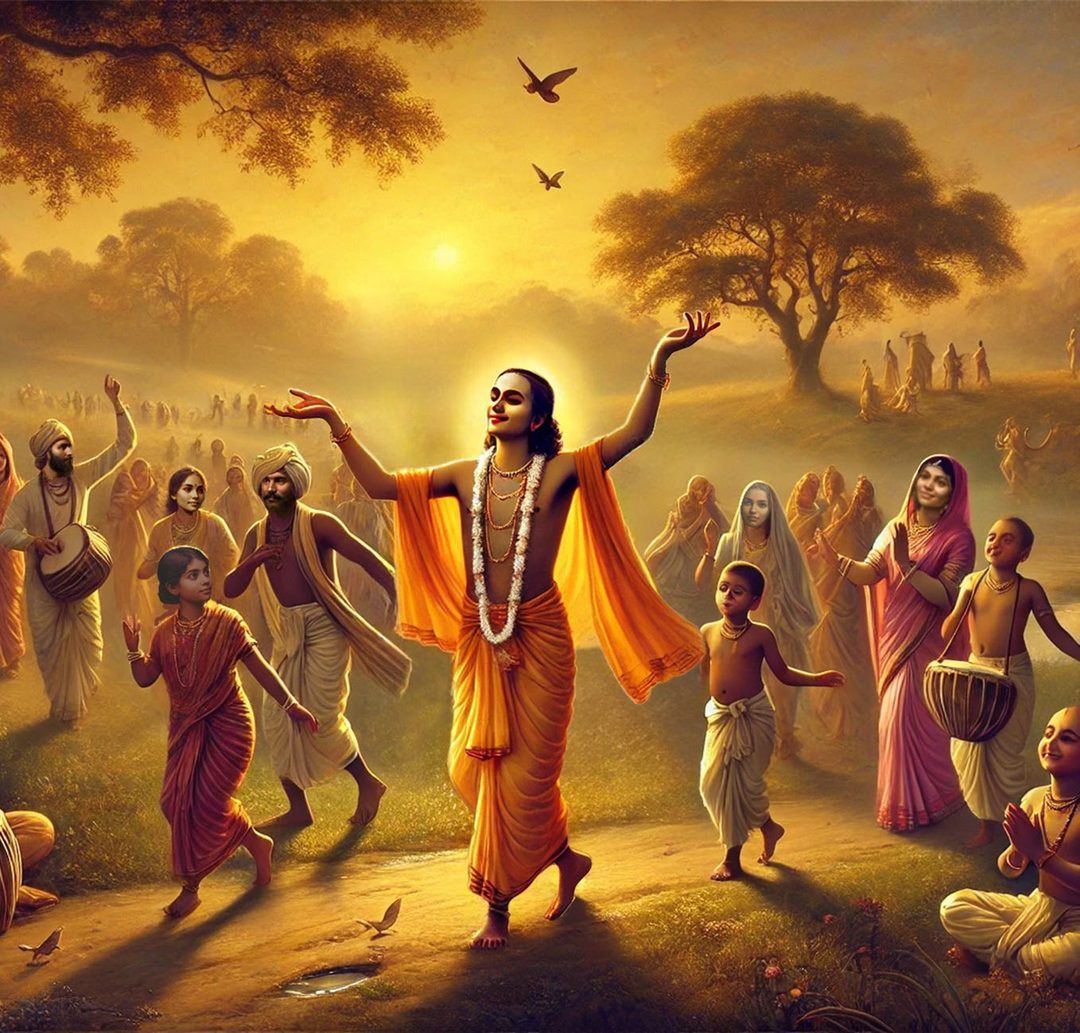
When the rising Sun appeared in the East, Gaurāṅga, jewel of the twice-born priests, wandered with devotees from far and near, through towns and villages, for all to hear…
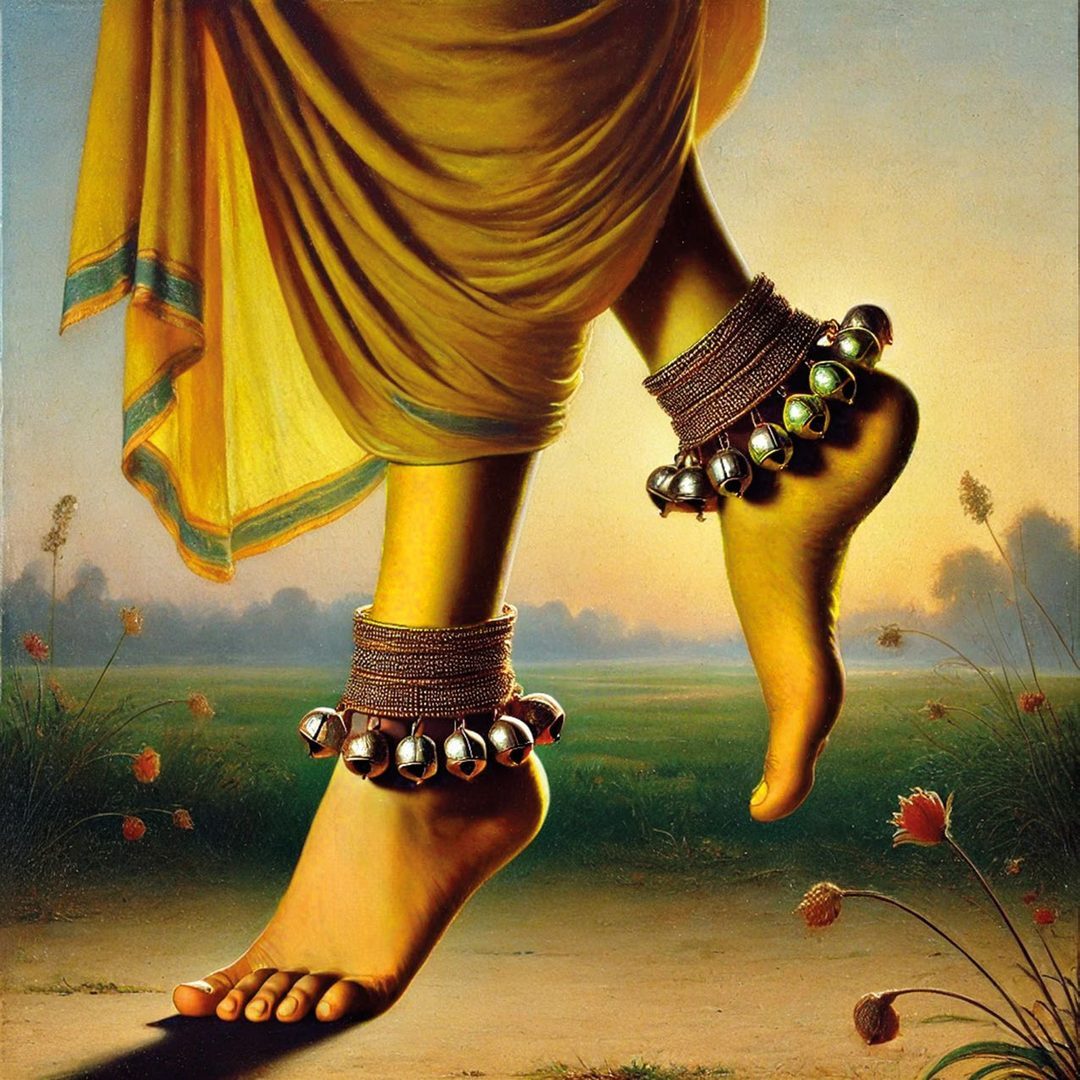
…the clay drums’ beat, the cymbals’ chime, as Gaura danced with grace in time, His golden form shimmered, pure and bright, with His ankle bells jingling in the morning light.
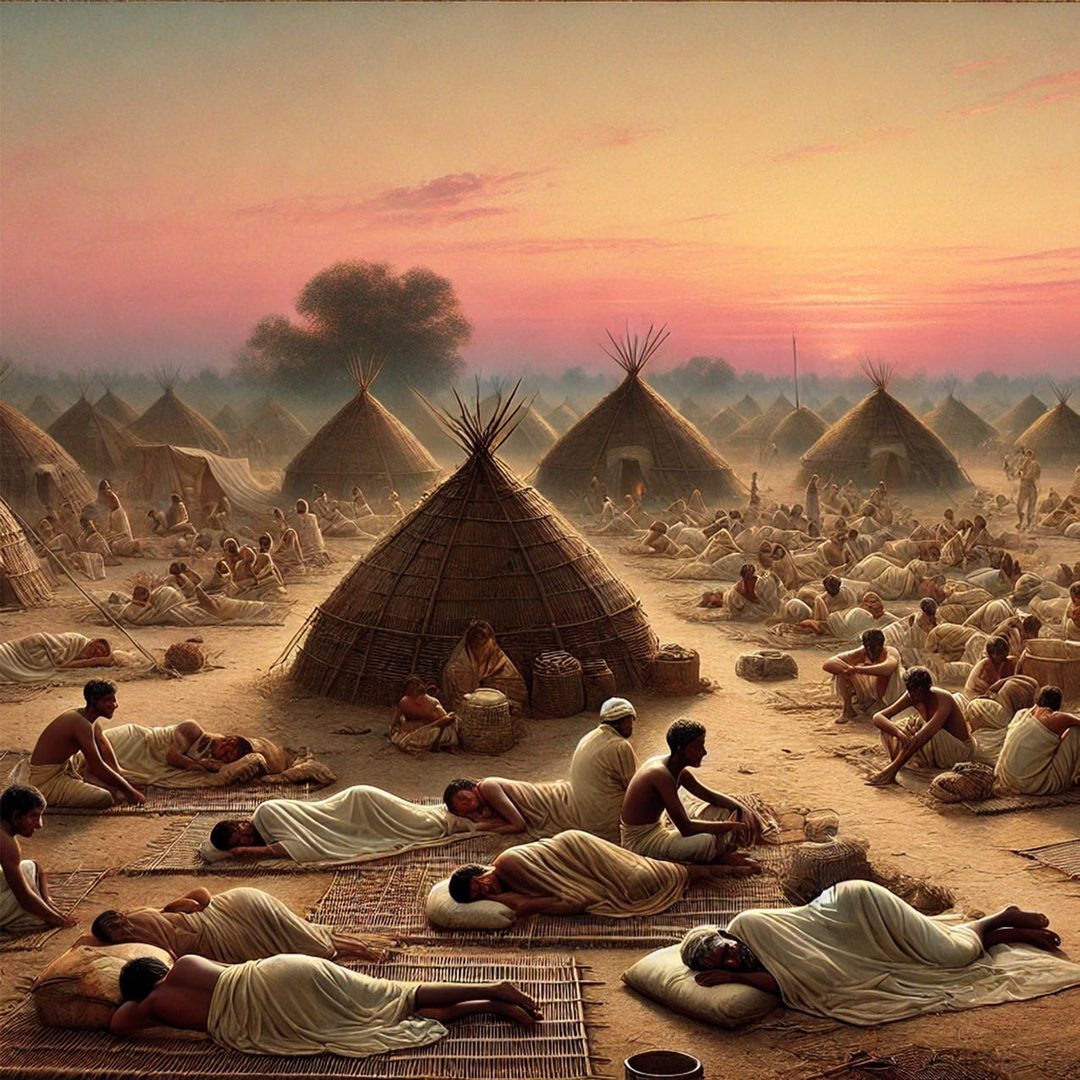
To those still asleep, they would proclaim, “Chant Mukunda’s and Mādhava’s holy name! Let ‘Yādava’ and ‘Hari’ fill your waking breath, idle sleep will only bring you closer to death.

“You decorate your bodies every day, while precious time slips fast away. This rare human life, a matchless gift indeed, adore Yaśodā’s son, and from death be freed.
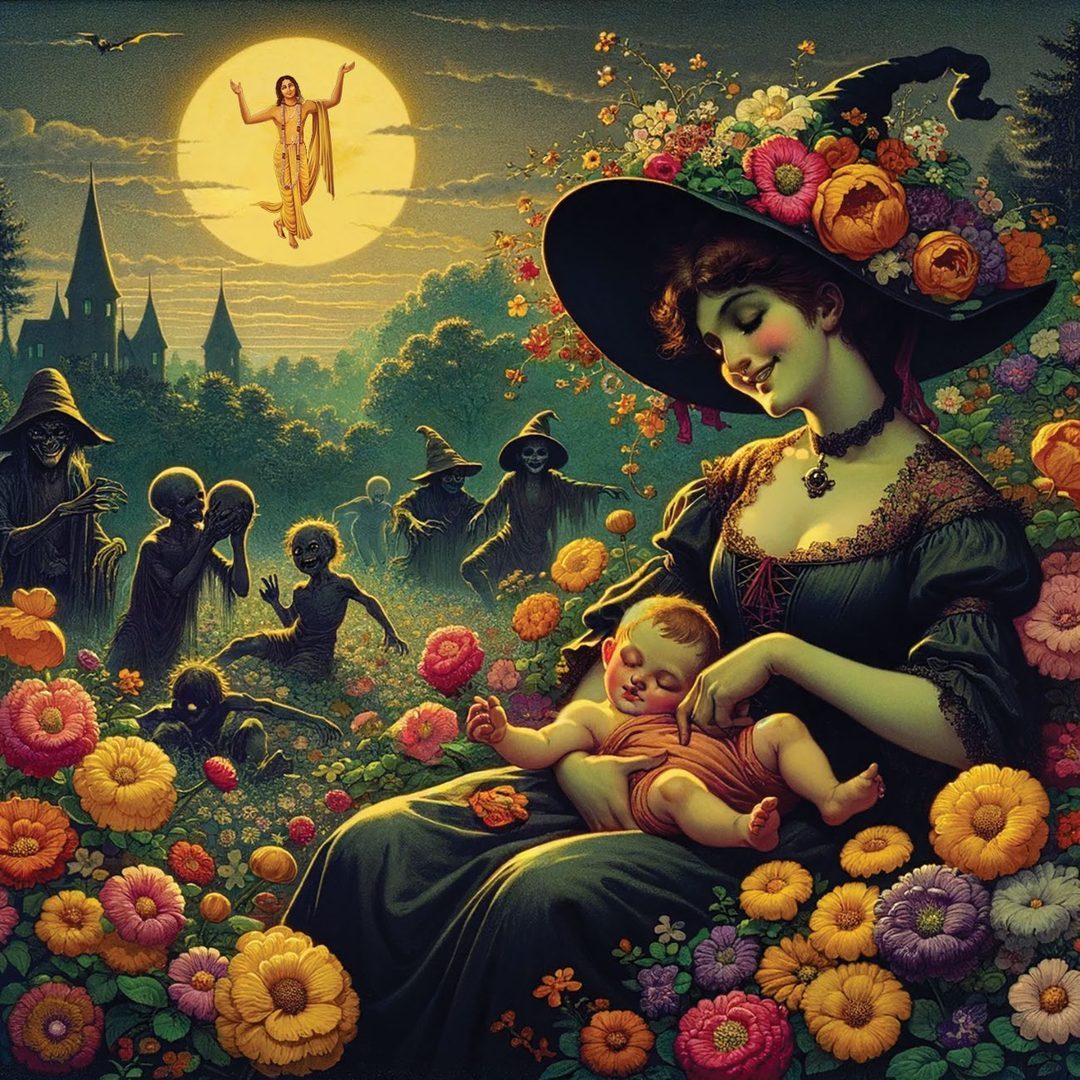
“Wake up, sleeping soul! Wake up, sleeping soul!
The Golden Moon is calling.
You’re sleeping on a witch’s lap,
how long will you go on dreaming?

“With every rising and setting of the Sun,
a day passes and is gone.
Then why remain indifferent and idle
and not serve the Lord of the heart?”
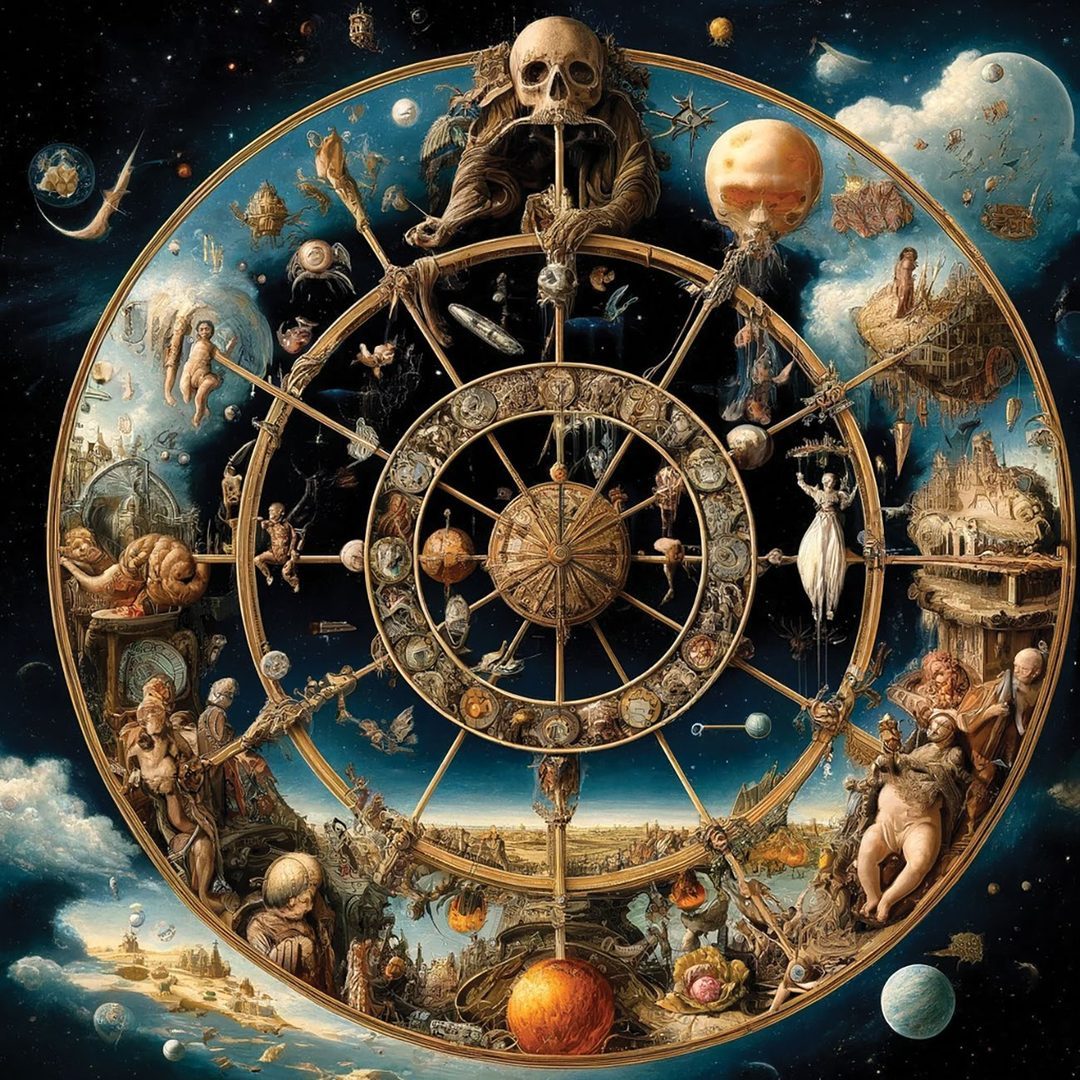
Lost in the cycle of birth and death,
we are covered by dense illusion.
Not knowing our real self-interest,
we are living in turmoil and confusion.
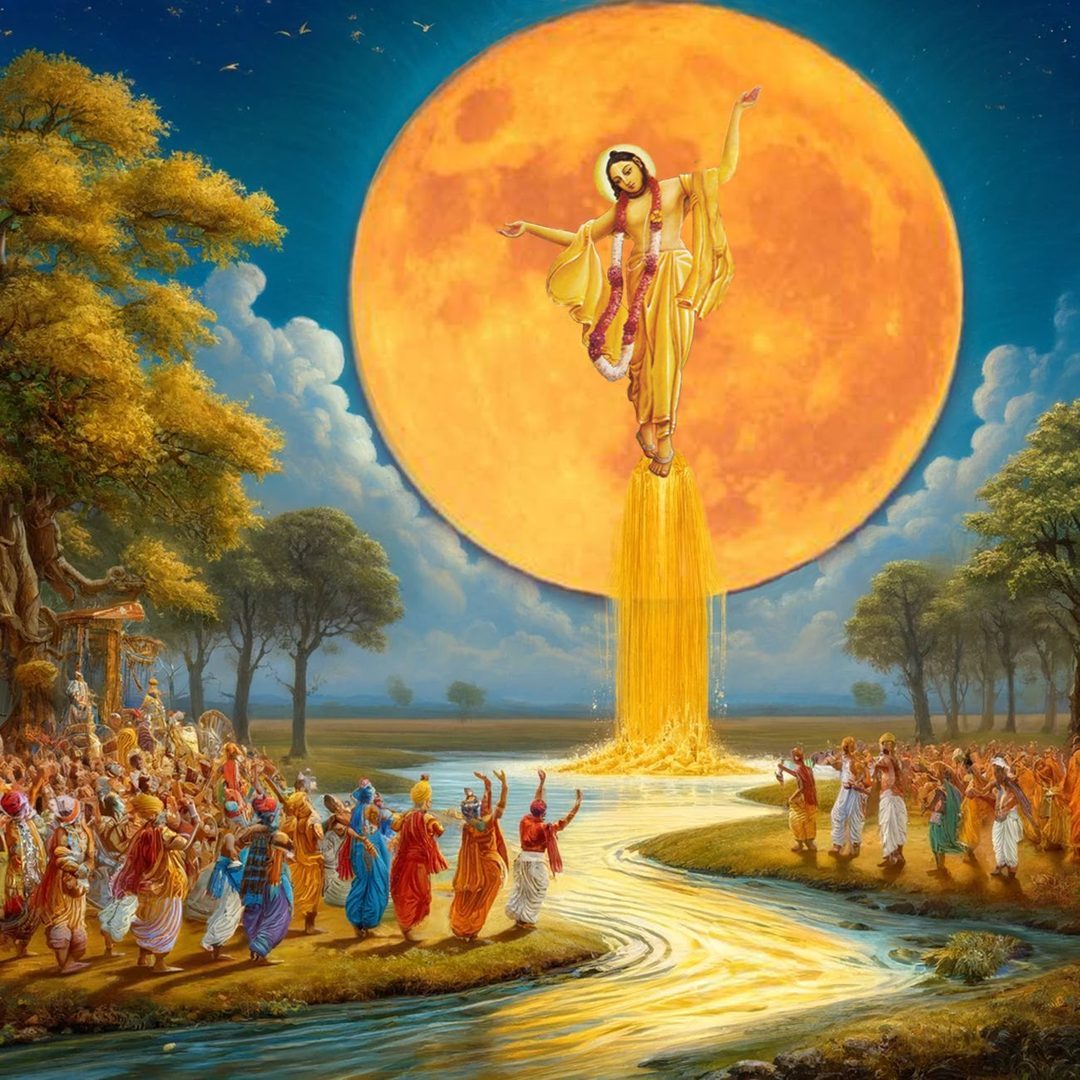
A medicine is flowing from the Golden Moon, our only true friend in this world. A mantra composed of the Lord’s holy names, offering all souls hope and cure.
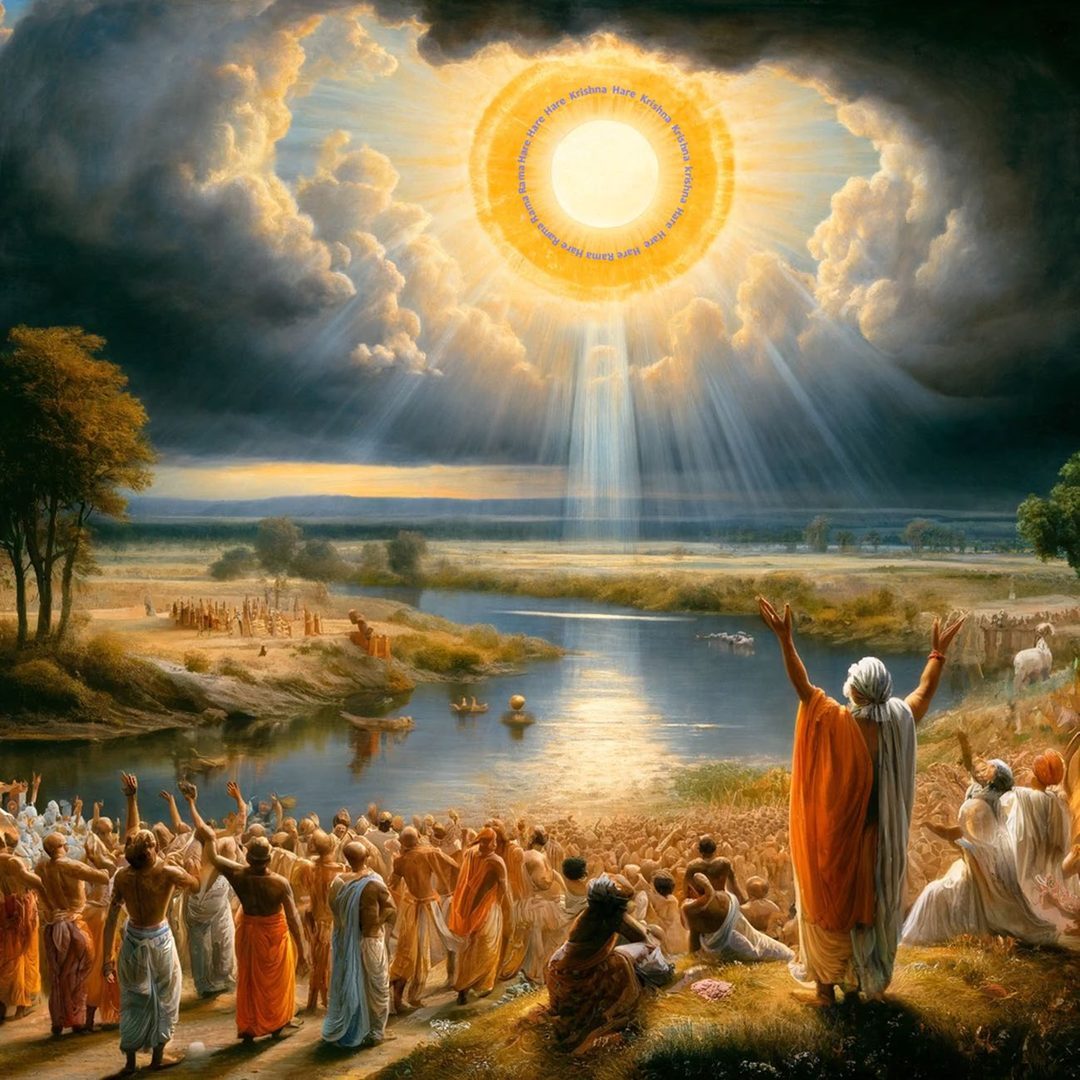
The holy name has risen like the brilliant Sun
to penetrate the darkness of oblivion,
and bless the heart and soul of everyone,
awarding true nectar and elation.
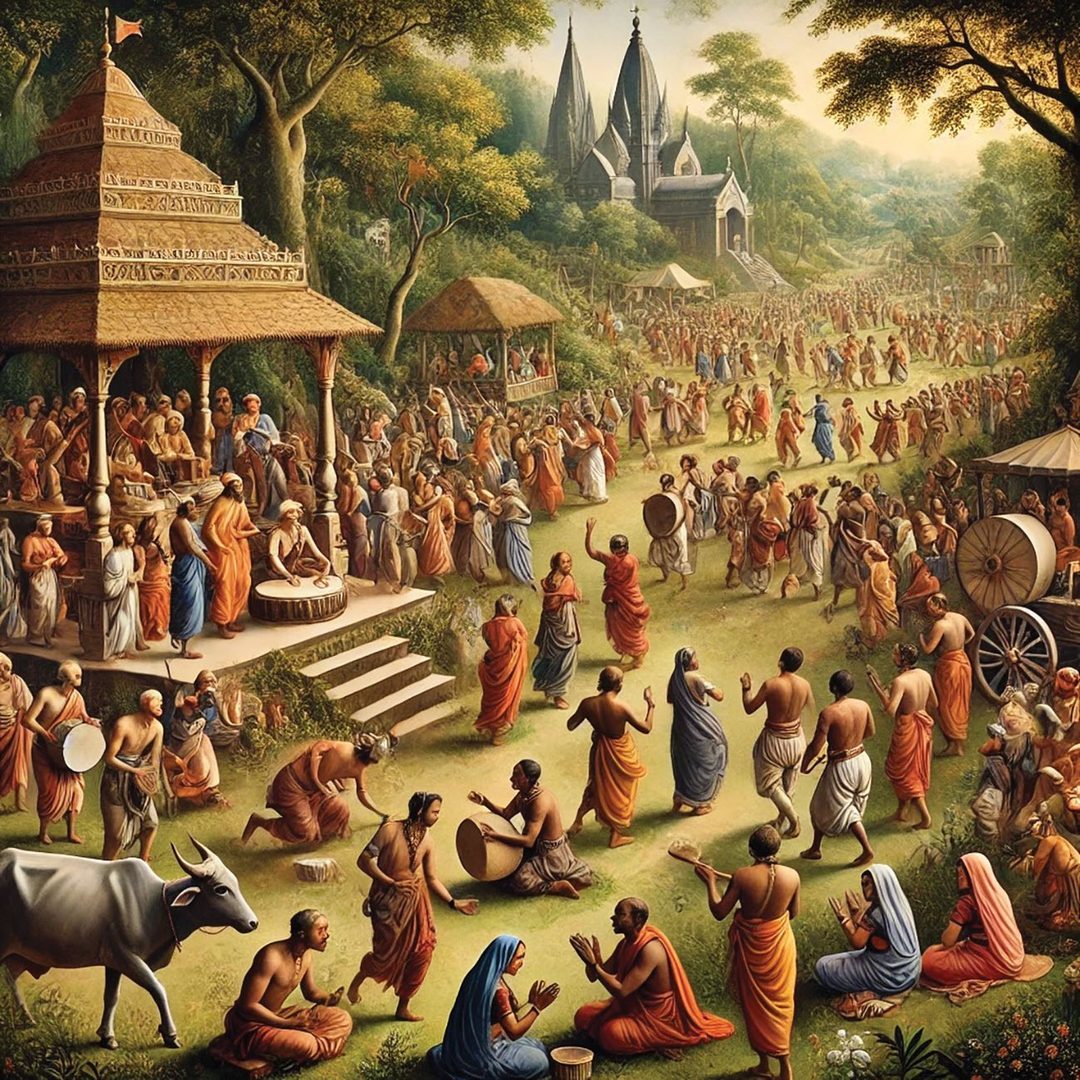
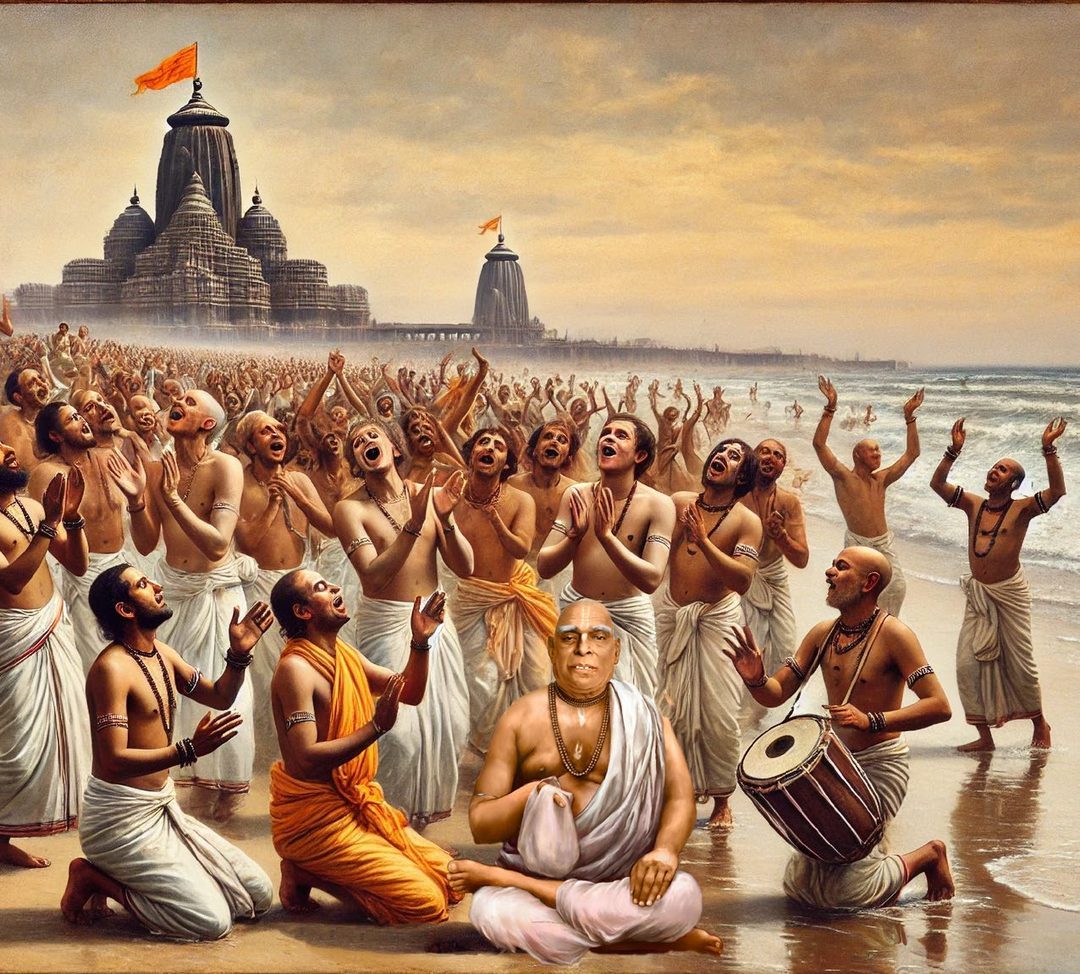
The pure nectar of the holy name has filled the soul of Bhaktivinoda. Nothing is more precious in the fourteen worlds, hari-nāma will take us to the Lord’s abode. “Wake up, sleeping soul! Wake up, sleeping soul!
The Golden Moon is calling.
You’re sleeping on a witch’s lap,
how long will you go on dreaming?
“Wake up, sleeping soul! Wake up, sleeping soul! The Golden Moon is calling.
‘Mukunda’, ‘Mādhava’, ‘Yādava‘ and ‘Hari’,
chant these names and be forever free.
‘Mukunda’, ‘Mādhava’, ‘Yādava‘ and ‘Hari’,
chant these names and be forever happy.
Commentary
Wake-up Call is a combination of a two-part song originally titled Aruṇadoya-kīrtana (Congregational Chanting at Sunrise). The two parts, Udila aruṇa and Jīv jāgo, are among the more well-known songs by Bhaktivinoda Ṭhākura, who describes how Śrī Caitanya Mahāprabhu and His associates would go from village to village, just after sunrise, performing hari-nāma-saṅkīrtana, congregational chanting of the holy name. The title chosen for this song (Wake-up Call) reflects the mood of their chanting, which was intended to wake people up—not only physically but also spiritually. Unless a person awakens spiritually and becomes inquisitive about the meaning of life and thoughtful regarding the true nature of material existence, the full potential of a human birth is not utilized, and self-realization remains out of reach.
A Call to Spiritual Awakening
In this song, Bhaktivinoda Ṭhākura describes how Gauracandra (lit. Golden Moon) calls on everyone to wake up from their spiritual slumber. He addresses the sleeping soul, explaining that life in the material world resembles dreaming, including both daydreams and nightdreams. He highlights the danger of this situation, as the soul rests in the lap of material nature, described in the Vedic scriptures as māyā-piśācī, the witch known as Māyā (illusion). This seductive and binding force keeps the living entity in a state of forgetfulness and confusion by luring it into identifying with the temporary material body and surroundings. Under her influence, the jīva hallucinates, thinking, “I am a man, I am a woman, I belong to this family, I belong to that nation, I am this, I am that,” along with countless other identifications. All of these are unreal because they refer only to the impermanent material body-covering, which the eternal soul will eventually have to relinquish.
The Vanity of Material Pursuits
The second stanza elaborates on this point. People all over the world spend significant time and energy on activities that go beyond basic bodily maintenance, completely ignoring that such endeavors yield no real benefit. For example, consumed by bodily identification, the inhabitants of this planet spend billions of dollars every year on beauty and personal care products—not including the fashion industry, which was worth an astounding US$ 1,800,000,000,000 (1.8 trillion) in 2024. All such grand arrangements fall under the category of “decorating our short-lived bodies,” which, from a higher point of view, are a colossal waste of time, energy, and money. No amount of skincare lotions, Botox injections, or plastic surgery can prevent a beautiful face from withering away in time. The laws of nature are stringent and dictate that nothing will remain and no one will stay. This does not mean, however, that spiritualists ignore or neglect bodily necessities. They do not deny the need for healthcare and basic bodily maintenance, such as sufficient nutrition, necessary rest, and personal hygiene. But the conditioned soul has a strong tendency to exceed essential needs and become absorbed in bodily identifications, leading to indifference to the spiritual side of life. If this was true for 16th-century Bengal, then what to speak of today. As a result, the increasingly artificial lifestyle that human civilization has created over the last few hundred years has only added more and more layers to the covering of the our true self.
Lost in the Cycle of Birth and Death
As described in the fourth stanza, the jīva in material existence is lost and confused, rotating in the continuous cycle of birth and death. That is the actual problem, and finding a solution is our real selfinterest. However, covered by illusion, the conditioned soul becomes interested in many superfluous pursuits while remaining oblivious to its real mission in life. As Ṛṣabhadeva instructs his sons in the Śrīmad-Bhāgavatam (5.5.16): Due to ignorance, the materialistic person does not know anything about his real self-interest, the auspicious path in life. He is simply bound to material enjoyment by lusty desires, and all his plans are made for this purpose. For temporary sense gratification, such a person creates a society of envy, and due to this mentality, he plunges into the ocean of suffering. Such a foolish person does not even know about this.
The Role of the Devotee and Compassion
In the following verse, Ṛṣabhadeva tells his sons that anyone with genuine spiritual knowledge will be compassionate and strive to awaken the sleeping souls and elevate them to a higher, purposeful life: If someone is ignorant and addicted to the path of saṁsāra, how can one who is actually learned, merciful, and advanced in spiritual knowledge engage him in fruitive activity and thus further entangle him in material existence? If a blind man is walking down the wrong path, how can a gentleman allow him to continue on his way to danger? How can he approve this method? No wise or kind man can allow this. Bhaktivinoda Ṭhākura and many other teachers in the line of Śrī Caitanya Mahāprabhu are such gentle and wise souls who care for the spiritual upliftment of humankind.
The Antidote to Materialism
Consequently, in the next stanza, the golden-hued, moon-like Gauracandra is depicted as the only true friend who distributes a potent antidote to the pandemic of materialism that has a firm grip on the world’s population. In the original Bengali poetry, it says: enechi auṣadhi māyā nāśibāra lāgi'. “I have brought a potent medicinal herb that can destroy the illusion caused by māyā.” The Lord then says that we need only ask for it, and He will freely give it. This medicine is Kṛṣṇa’s holy name arranged in mantra form: harināma mahā-mantra lao tumi māgi'. The holy name is compared to the brilliant Sun, powerful enough to dissipate even the densest darkness. The Padma Purāṇa describes the wonderful qualities of the holy name as follows: The holy name of Kṛṣṇa is transcendentally blissful. It bestows all spiritual benedictions, for it is Kṛṣṇa Himself, the reservoir of all pleasure. Kṛṣṇa’s name is complete, and it is the form of all transcendental mellows. It is not a material name under any condition, and it is no less powerful than Kṛṣṇa Himself. Since Kṛṣṇa’s name is not contaminated by material qualities, there is no question of its being involved with māyā. Kṛṣṇa’s name is always liberated and spiritual; it is never conditioned by the laws of material nature. This is because the name of Kṛṣṇa and Kṛṣṇa Himself are identical. The unique quality that makes the holy name special is abhinnatvān nāma-nāminoḥ: there is no difference between Kṛṣṇa and His name; they are one and the same. Bhaktivinoda Ṭhākura has elaborated on this verse in his work Harināma-cintāmaṇi which deals with important topics such as the nature and glories of the holy name and how to identify and overcome obstacles to pure chanting.
The Essence of Bhakti
In the last stanza, the author recommends nāmāśraya kari, to take shelter of the holy name. Taking shelter of Kṛṣṇa, His lotus feet, His name and His devotees are the essence of bhakti. The song Wake-up Call concludes with the declaration: nāma vinā kichu nāhika āra, caudda-bhuvana-mājhe. “Except for the name there is nothing in the fourteen worlds.” The meaning is that, while the material world is a temporary manifestation, appearing and disappearing like foam on ocean waves, the spiritual entities within it are the only permanent reality. Consequently, the jīvas, as parts and parcels of Kṛṣṇa, and Kṛṣṇa Himself in the form of His name, can be said to be the only entities of true substance in māyā’s shadow domain.
The Original Songs
Udila aruṇa
(Aruṇodaya-kīrtana I) Bhaktivinoda Ṭhākura udila aruṇa pūraba-bhāge, dvija-maṇi gorā amani jāge, bhakata-samūha loiyā sāthe, gelā nagara-vrāje udila—the rising; aruṇa—redness; pūraba—eastern; bhāge—the horizon; dvijamaṇi—the jewel of the twice-born; gorā—Gaura; amani jāge—immediately awakens; bhakata-samūha—all the devotees; loiyā sāthe—taking them along; gelā—went; nagara-vrāje—wandering throughout the towns and villages. When the rising Sun appeared in the East, the jewel of the twice-born, Gaurasundara, awakened. Taking His devotees with Him, He went all over the countryside’s towns and villages.
‘tāthaī tāthaī’ bājala khol, ghana ghana tāhe jhājera rol, preme ḍhala ḍhala soṇāra aṅga, caraṇe nūpura bāje ‘tāthaī tāthaī’—making the sound tāthaī tāthaī; bājala khola—the mṛdaṅga (clay drums) resounded; ghana ghana—played in time; tāhe—in that kīrtana; jhājera—of the large metal cymbals; rola—the tumult; preme—in ecstatic love; ḍhala ḍhala— slightly trembled; soṇāra aṅga—the golden form of Gaurāṅga; caraṇe—upon His feet; nūpura bāje—the anklebells jingled. While the devotees played the mṛdaṅga, and the cymbals chimed in time, Gaurāṅga's shimmering golden features danced, and His anklebells jingled. mukunda mādhava yādava hari, balena bala re vadana bhari', miche nida-vaśe gela re rāti, divasa śarīra-sāje mukunda mādhava yādava hari—with the holy names, “Mukunda!” “Mādhava!” “Yādava!” and “Hari!”; balena—chanting; bala re—oh sing!; vadana bhari'—filling your mouths; miche—uselessly; nida-vaśe—under the control of sleep; gela—have spent; re—O!; rāti—the nights; divasa—the days; śarīra-sāje—in decorating your bodies. They would announce to the still sleeping people, “Chant the holy names “Mukunda,” “Mādhava,” “Yadava” and “Hari,” and fill your mouths with these vibrations. You spend your nights uselessly sleeping and your days decorating your bodies!”
emana durlabha mānava-deha, pāiyā ki kara bhāva nā keha, ebe nā bhajile yaśodā-suta, carame paribe lāje emana—this; durlabha—rare; mānava-deha—human body; pāiyā—having achieved; ki kara—what are you doing?; bhava nā keha—you have not thought about it at all; ebe—now; nā bhajile—you do not worship; yaśodā-suta—the darling of mother Yaśodā; carame—ultimately; paribe—you will fall (die); lāje—in shame.
“You have achieved such a rare human body, but you do not care for this gift. You do not worship the darling of Yaśodā, and slowly fall through your last moments to death.” udita tapana hoile asta, dina gela bali' hoibe byasta, tabe kena ebe alasa haya, nā bhaja hṛdaya-rāje udita—arisen; tapana—the Sun; hoile asta—having set; dina gela—the day passes; bali'—saying; hoibe byasta—will be lost; tabe kena—then why; ebe—now; alasa haya—you remain idle; nā bhaja—you do not worship; hṛdaya-rāje—the Lord of the heart. “With every rising and setting of the Sun, a day passes and is lost. Then, why do you remain idle and not serve the Lord of the heart?” jīvana anitya jānaha sāra, tāhe nānā-vidha vipada-bhāra, nāmāśraya kari' yatane tumi, thākaha āpana kāje jīvana—life; anitya—is temporary; jānaha sāra—please understand this essential fact; tāhe—in that; nānā-vidha—various kinds; vipada-bhāra—filled with miseries; nāmāśraya kari'—taking shelter of the holy name; yatane—carefully; tumi—you; thākaha—remain always engaged; āpana kāje—in His service as your own eternal occupation. “This temporary life is full of various miseries. Take shelter of the holy name as your only occupation.” jīvera kalyāna-sādhana-kāma, jagate āsi' e madhura nāma, avidyā-timira-tapana-rūpe, hṛd-gagane virāje jīvera—of all living entities; kalyāṇa-sādhana-kāma—desiring to bless; jagate asi'— in the material universe; e—this; madhura nāma—sweet name of Kṛṣṇa; avidyātimira—the darkness of ignorance; tapana-rūpe—like the Sun; hṛd-gagane—in the sky of the heart; virāje—shines.
To penetrate the darkness of ignorance and bless everyone's heart, the holy name has risen like the shining Sun.
kṛṣṇa-nāma-sudhā kariyā pāna, jurāo bhakativinoda-prāṇa, nāma vinā kichu nāhika āra, caudda-bhuvana-mājhe kṛṣṇa-nāma-sudhā—the pure nectar of the holy name of Kṛṣṇa; kariyā pāna— drinking; jurāo—thus satisfy; bhakativinoda-prāṇa—the soul of Bhaktivinoda; nāma vinā—except for the holy name; kichu nāhika āra—there is nothing else; cauddabhuvana-mājhe—within the fourteen worlds. Drink the pure nectar of the holy name. There is nothing but the name to be had in the fourteen worlds. It has filled the soul of Bhaktivinoda.
Jīv jāgo
(Aruṇodaya-kīrtana II) Bhaktivinoda Ṭhākura
jīv jāgo jīv jāgo, gauracānda bole kata nidrā yāo māyā-piśācīra kole jīv jāgo—wake up, sleeping soul!; jīv jāgo—wake up, sleeping soul!; gauracānda bole—Gauracandra (the Golden Moon) calls; kata nidrā yāo—how long are you sleeping?; māyā-pīśācīra—of the witch Māyā; kole—in the lap. Gauracandra is calling, "Wake up, sleeping soul! Wake up, sleeping soul! How long will you sleep in the lap of the witch called Māyā?”
bhajiba baliyā ese saṁsāra-bhitare bhuliyā rahile tumi avidyāra bhare bhajiba—I will certainly worship the Lord; baliyā—saying; ese—having come; saṁsāra-bhitare—into the material world; bhuliyā—having forgotten; rahile tumi— you have remained; avidyāra bhare—in the darkness of ignorance.
“When you came to this world you promised to worship the Lord. But now You have forgotten the way of devotional service and are lost in the world of birth and death.”
tomāre laite āmi hoinu avatāra āmi vinā bandhu āra ke āche tomāra tomāre laite—to reclaim you; āmi—I; hoinu avatāra—have descended as an incarnation; āmi vinā—except for Myself; bandhu āra—another friend; ke āche— who is?; tomāra—yours.
“I have descended just to save you. Except for Myself, who is your friend in this world?” enechi auṣadhi māyā nāśibāra lāgi' hari-nāma mahā-mantra lao tumi māgi' enechi—I have brought; auṣadhi—the medicine; māyā—illusion of Māyā; nāśibāra lāgi'—for destroying; hari-nāma mahā-mantra—the great chant of the names of Hari; lao—please take it; tumi—you; māgi'—begging. “I have brought the medicine that will cure the disease of illusion from which you are suffering. Take this mahā-mantra of the holy names of Hari! Just ask for it!"
bhakativinoda prabhu-caraṇe pariyā sei hari-nāma-mantra loila māgiyā bhakativinoda—Bhaktivinoda; prabhu-caraṇe—at the lotus feet of Lord Gaurāṅga; pariyā—falling; sei hari-nāma-mantra—that Hari-nāma-mantra; loila—he received; māgiyā—after begging. After falling at the feet of the Lord and begging for it, Bhaktivinoda received the mahā-mantra.