 Spiritual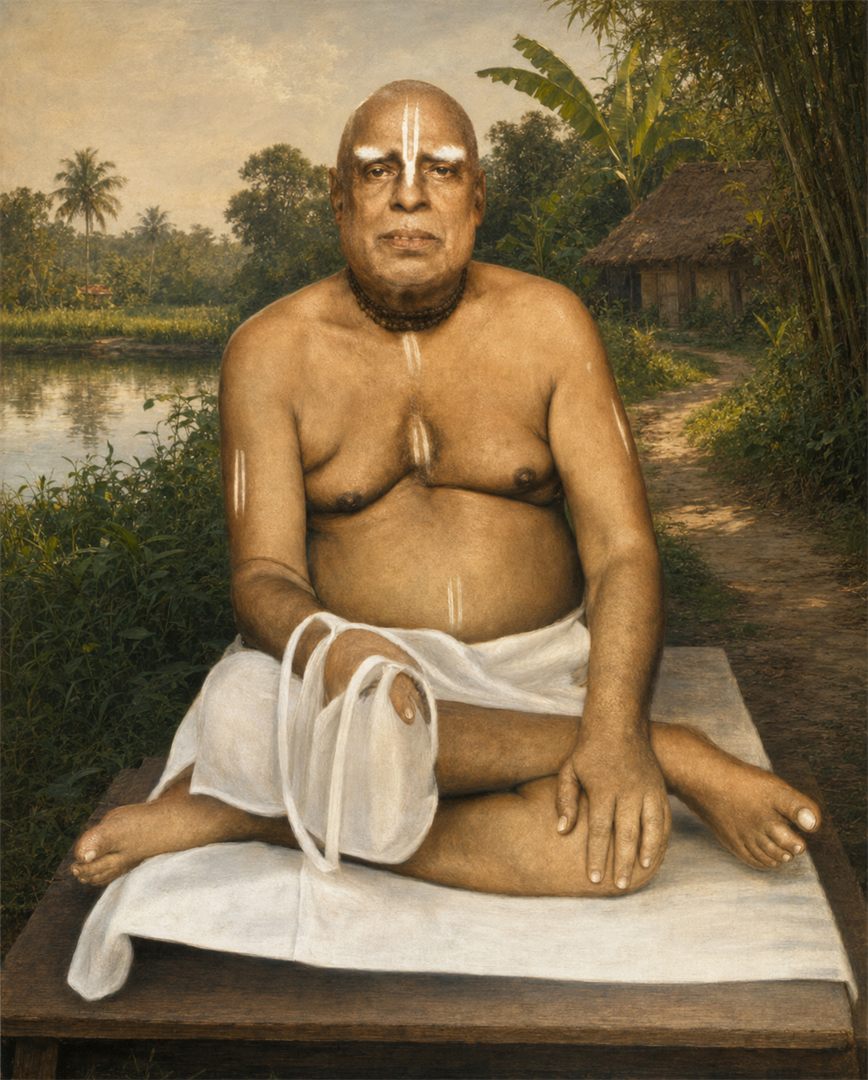
Bhaktivinoda Thakura, born as Kedarnath Datta in 1838 in the town of Birnagar, West Bengal, was a prominent spiritual leader, philosopher, and a key figure in the revitalization of Gaudiya Vaishnavism in the 19th century. Śrīla Prabhupāda called him “the pioneer of the Kṛṣṇa consciousness movement.” His life was marked by his profound spiritual realization, prolific writings, and dedicated efforts to spread the teachings of Śrī Caitanya Mahāprabhu both in India and abroad.
Bhaktivinoda Thakura was born into a devout Vaiṣṇava family. He received a traditional education in Sanskrit grammar, literature, and philosophy, acquiring a deep understanding of the Vedic Scriptures. He demonstrated exceptional intellectual capabilities from an early age.
In his early twenties, Kedarnath Datta experienced a profound spiritual awakening and developed a strong inclination towards devotional practices. He immersed himself in the study of Vaiṣṇava philosophy and sought guidance from renowned Vaiṣṇava teachers.
He dedicated himself to intense spiritual practice and embarked on a quest for spiritual realization. He extensively studied and analyzed the teachings of Lord Chaitanya and different Vaiṣṇava Scriptures.
Bhaktivinoda Thakura's literary contributions are vast and influential. He authored numerous books, essays, and commentaries, primarily in Bengali, Sanskrit, and English. His writings cover a wide range of topics, including philosophy, devotional practices, scriptural exegesis, social reform, and the importance of chanting the holy names of the Lord.
He played a pivotal role in reviving and reestablishing the teachings of Śrī Caitanya , which had faced a decline after His disappearance. He engaged in extensive research, scriptural study, and philosophical analysis to present the teachings of Śrī Caitanya Mahāprabhu in a relevant and accessible manner for the contemporary audience.
Bhaktivinoda Thakura was married and had ten children, including his illustrious son Bimala Prasad, who became later Bhaktisiddhanta Sarasvati Thakura, a prominent Vaiṣṇava leader who founded the preaching mission Gauḍiya Math, establishing temples all over India and in neighboring countries.
Bhaktivinoda Thakura's teachings and contributions had a profound impact on subsequent generations, inspiring the growth and expansion of the Kṛṣṇa consciousness movement worldwide. His writings continue to inspire and guide countless individuals on the path of devotion and spiritual realization.
In 1910, he retired to his house in Calcutta, Bhakti Bhavan, so that he could remain uninterruptedly engaged in the divine service of Śrī Śrī Rādhā and Kṛṣṇa. On June 23, 1914, at noon, the Ṭhākura entered the eternal pastimes of the Lord, far beyond the vision of the conditioned souls of this world.